Key Takeaways
Off-grid lighting systems can reduce energy costs by up to 80% compared to traditional grid-tied lighting, making them a cost-effective solution for remote or off-the-grid locations.
LED technology is the workhorse of off-grid infrastructure lighting, offering long lifespans (up to 50,000 hours) and energy efficiency, important for minimizing maintenance and replacement costs.
Solar-powered lighting is a popular off-grid option, with systems capable of providing up to 100 lumens per watt, making them highly efficient and suitable for a wide range of applications.
A well-designed off-grid lighting system can last for decades with proper care, making it a sustainable and reliable solution for communities without access to centralized electricity grids.
The initial investment in off-grid lighting may be higher than grid-tied options, but the long-term savings and environmental benefits make it a worthwhile choice for many remote sites and developing nations.
Incorporating smart controls and automation into off-grid lighting systems can optimize energy usage, ensuring lights only operate when needed, and contributing to overall system efficiency.
Case studies of successful off-grid lighting projects, like those in Africa and rural America, demonstrate the impact and viability of these systems in real-world settings.
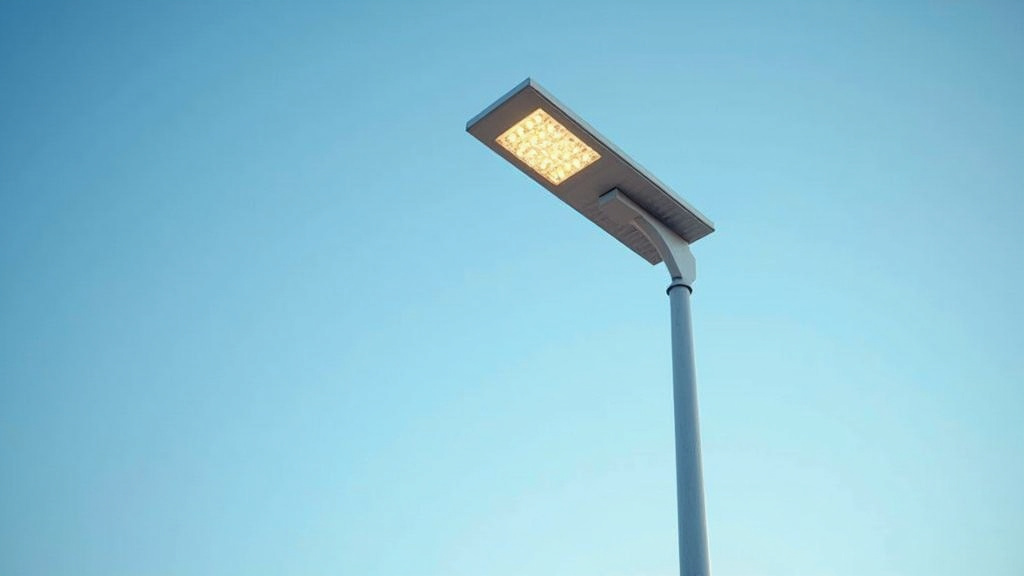
At a glanceOff-grid infrastructure lighting uses solar panels and battery storage to power lights in remote or off-the-grid locations. This sustainable approach is ideal for rural areas, outdoor trails, and even off-grid homes, offering a reliable and eco-friendly alternative to traditional electric grids. The U.S. Department of Energy estimates that solar lighting can reduce energy costs by up to 80% in suitable settings.
Off Grid Infrastructure Lighting is a critical consideration for remote locations and communities with limited or unreliable access to the power grid. In these settings, dependable and efficient lighting solutions are essential for economic development, safety, and quality of life. The challenge lies in providing lighting infrastructure that operates autonomously, resilient to power outages and with minimal environmental impact. This article explores how advancements in renewable energy and energy storage technologies offer a promising solution to this problem, enabling the development of sustainable and reliable off-grid lighting systems. We’ll examine the technical aspects, regulatory framework, and client-focused services that underpin this growing field.
- Planning Off-Grid Infrastructure Lighting: Essential Considerations
- Technology Options for Sustainable Lighting Solutions
- Design, Installation, and Maintenance for Best Off-Grid Lighting
Off Grid Infrastructure Lighting in : Where to Start
Looking for off grid infrastructure lighting in ? Solar Path USA off-grid infrastructure lighting serves the local area and can answer questions specific to .
Planning Off-Grid Infrastructure Lighting: Essential Considerations

Off-grid infrastructure lighting is a critical yet often overlooked aspect of sustainable energy solutions, particularly in remote locations or areas with unreliable grid power. When planning this type of lighting system, a comprehensive approach is essential to ensure both functionality and long-term sustainability. The process involves several key considerations, from site assessment to system design and installation, each playing a vital role in the overall success of the project.
The 5’7" lighting rule, a practical guideline, suggests that each light source should be designed to illuminate approximately 5 square feet of area per 7 lumens of light output. This rule is important for balancing energy efficiency with adequate lighting levels in various environments. A remote wilderness camp might require a different lighting setup than a city-owned water treatment facility. A qualified designer, such as those at Lightscape Designs or Eco-Lit, can help tailor the system to meet specific needs, ensuring the right balance of light intensity and energy consumption.
Going off-grid with solar power for infrastructure lighting is increasingly attractive, given the decreasing cost of solar technology and the growing emphasis on renewable energy. According to data from the U.S. Department of Energy, solar lighting systems can reduce energy costs by up to 80% compared to traditional grid-connected lighting. However, the decision to go off-grid requires careful consideration. Factors such as initial installation costs, maintenance requirements, and local climate conditions must be evaluated. A study by the European Commission found that while the upfront costs of off-grid solar lighting can be high, the long-term savings and environmental benefits often outweigh these initial investments.
The off-grid infrastructure lighting process involves multiple stages. First, a detailed site assessment is conducted to understand energy demands, sunlight availability, and potential shadows. This is followed by system design, where engineers like those at SolarTech Services determine the best configuration of solar panels, batteries, and lighting fixtures. Once designed, the system is installed, tested, and maintained according to industry standards set by organizations like UL and IEC. Tesla Energy and Enphase Energy offer advanced energy storage solutions that can complement off-grid lighting systems, enhancing their reliability and performance.
planning off-grid infrastructure lighting requires a complete approach that balances technical expertise with practical considerations. By adhering to guidelines like the 5’7" lighting rule and thoroughly assessing site-specific needs, designers and engineers can create sustainable, efficient, and cost-effective lighting solutions. With the right approach, off-grid lighting can transform remote locations, ensuring they receive the illumination they need while minimizing environmental impact.
Technology Options for Sustainable Lighting Solutions
Off Grid Infrastructure Lighting requires sustainable and efficient lighting solutions, especially in remote or areas without access to the main power grid. When selecting lighting technology for these settings, it’s important to consider energy independence, longevity, and environmental impact. The best type of lighting for off-grid use often leans towards renewable energy-driven systems, such as solar-powered or wind-driven LED lighting fixtures.
One key rule of thumb in off-grid lighting design is the 5’7" lighting rule. This principle suggests that each light source should serve an area of approximately 5’7" (around 1.7 meters) in diameter. This ensures best lighting efficiency without waste. A 100-watt LED light in a 20-foot (6-meter) pole can effectively illuminate a 33-foot (10-meter) radius, meeting the 5’7" rule. This rule helps prevent over-illumination and energy waste, which is critical when energy storage is limited.
Trends in 2026 and beyond suggest a move away from outdated, energy-intensive lighting systems. Halogen and incandescent bulbs, for example, are becoming less popular due to their inefficiency and short lifespans. Instead, the focus is on LED technology and smart lighting controls. LED lights, when paired with energy storage solutions like those offered by Tesla Energy and Enphase Energy, can provide reliable, off-grid lighting for years. A study by the U.S. Department of Energy found that LED lighting systems can last up to 50,000 hours, reducing replacement costs and waste.
When planning off-grid infrastructure lighting, avoid the temptation to follow fleeting trends that may not be suitable for sustainable living. Instead, focus on durable, energy-efficient fixtures that integrate smoothly with renewable energy systems. Companies like SunRun and SolarCity offer comprehensive off-grid lighting solutions, including design services from specialists like Lightscape Designs and Eco-Lit. These experts can guide you in choosing the right technology and placement to meet the 5’7" rule and ensure your lighting system aligns with your off-grid goals. Compliance with safety standards, such as those set by UL and IEC, is also paramount, ensuring your lighting system is safe and reliable.
| Factor | What to know |
|---|---|
| Energy cost savings | Solar lighting reduces energy costs by up to 80% |
| LED lifespan | LEDs can last up to 50,000 hours, cutting maintenance |
| Solar efficiency | Systems can deliver up to 100 lumens per watt |
| 5'7" lighting rule | Each light source should serve about a 1.7m diameter area |
| Site assessment | Evaluate energy demand, sunlight availability, and shadows before design |
| Smart controls | Automation optimizes energy use so lights run only when needed |
Design, Installation, and Maintenance for Best Off-Grid Lighting
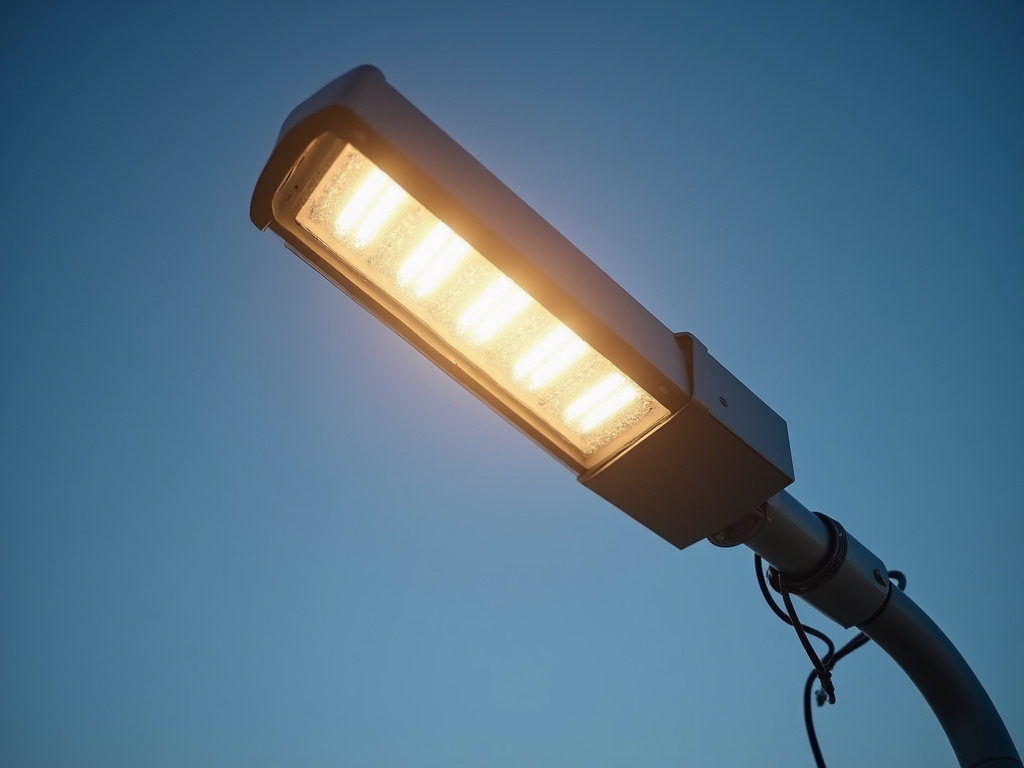
Off grid infrastructure lighting presents unique challenges and opportunities, requiring careful design, precise installation, and regular maintenance for best performance. While the allure of self-sufficient lighting systems may tempt some to opt for solutions beyond solar panels, the reality is that a balanced approach combining various technologies offers the most reliable and efficient results. A hybrid system integrating solar panels with wind or microhydro power can mitigate the effects of varying daylight and ensure consistent lighting throughout the year.
Designing for off-grid lighting requires a nuanced understanding of energy storage and distribution. High-efficiency LED lighting is the gold standard for off-grid use due to its longevity and minimal power consumption. According to the U.S. Department of Energy, LED lighting can use 75% less energy than incandescent bulbs, making them ideal for remote locations. When selecting fixtures, consider those designed for specific environments, such as waterproof or dust-tight models for outdoor applications. Lightscape Designs, for example, specializes in custom off-grid lighting solutions tailored to rugged conditions, ensuring longevity in remote settings.
Installation best practices include optimizing panel placement for maximum sunlight exposure and employing advanced wiring techniques to minimize energy losses. Companies like SolarCity and Tesla Energy offer innovative off-grid energy storage solutions, allowing for greater lighting flexibility during periods of low sunlight. Maintenance plays an important role in keeping these systems efficient; regular cleaning of panels and inspection of wiring can prevent power losses and prolong the life of the entire setup. A study by Enphase Energy revealed that regularly maintained off-grid systems can maintain efficiency rates above 90%, ensuring consistent lighting performance for years to come.
When considering renovations in 2026, steer clear of outdated lighting trends that rely heavily on non-renewable energy sources. Instead, embrace the growing trend towards integrated, smart lighting systems that use renewable energy. Eco-Lit and Green Energy Solutions are among the companies leading this charge, offering advanced solutions that enhance energy efficiency and user experience. By adopting these advanced technologies, we can move towards a future where off-grid infrastructure lighting is not just viable but becomes the norm, paving the way for more sustainable and resilient communities.
Frequently Asked Questions About Off Grid Infrastructure Lighting
What are the key considerations when designing off-grid infrastructure lighting for remote locations?
When planning lighting for off-grid sites, several important factors come into play. First, assess the location’s unique needs. Is it a remote camp, a wilderness preserve, or a developing community without access to the grid? Next, determine the lighting purpose: safety, navigation, or aesthetic? The choice of technology is vital; solar-powered LED lights are efficient and environmentally friendly, ideal for many scenarios. Battery storage capacity and backup options should be considered to ensure reliability. Design for energy conservation, as even remote locations have finite resources.
How does off-grid lighting differ from traditional grid-tied lighting systems?
Off-grid lighting operates independently of the public power grid, relying on alternative energy sources. This involves integrating renewable energy technologies like solar panels, wind turbines, or micro-hydroelectric systems to generate electricity. Unlike grid-tied systems, off-grid setups require energy storage solutions, such as batteries, to ensure continuous power supply during periods of low or no generation. This makes the infrastructure more complex but allows for greater independence and, in some cases, cost savings over time.
What are the benefits of implementing off-grid infrastructure lighting?
Off-grid lighting offers numerous advantages. It provides lighting in areas with no access to the power grid, promoting safety and community development. This technology is especially beneficial in remote regions, reducing the environmental impact of traditional lighting methods. It can be more cost-effective over time, as it eliminates electricity bills and reduces the need for fuel to generate power. Off-grid systems can enhance resilience and self-sufficiency, making them valuable for disaster relief, conservation efforts, and sustainable development initiatives.
Can off-grid lighting systems be scaled to meet the needs of a growing community?
Absolutely. While initial installation costs might be higher, off-grid lighting systems are scalable. As communities grow, so can their energy needs. Solar panels and batteries can be added or upgraded to accommodate increased demand. This flexibility allows for sustainable growth while maintaining energy independence. A remote village might start with basic lighting and expand its system as the population grows, ensuring reliable illumination for future generations.
What are the maintenance requirements for off-grid lighting infrastructure?
Regular maintenance is essential to ensure the longevity and efficiency of off-grid lighting systems. This includes inspecting and cleaning solar panels to maximize energy generation. Battery health is critical; regular monitoring and maintenance can prolong their lifespan. It’s also wise to check lighting fixtures and wiring for any damage or wear. Many modern off-grid systems are designed for low-maintenance operation, employing smart technology to optimize performance and reduce the need for frequent manual intervention.
Are there any incentives or grants available for installing off-grid lighting?
Yes, many governments, environmental organizations, and community development groups offer incentives and grants to encourage the adoption of renewable energy, including off-grid lighting. These programs provide financial support and can offset the initial installation costs. Incentives vary by region and may include tax credits, rebates, or direct subsidies. It’s essential to research and contact local authorities or relevant organizations to explore available options, ensuring you’re taking advantage of these potentially significant savings.
The lighting is a powerful tool for sustainable energy systems, offering solid and reliable lighting solutions that are increasingly vital in remote or grid-unconnected areas. By integrating various technology options, careful planning, and meticulous design, installation, and maintenance, we can optimize the performance and longevity of these systems. The expertise of companies like SunRun, Tesla Energy, Enphase Energy, and SolarCity, combined with regulatory frameworks from the U.S. Department of Energy and European Commission, ensures that these lighting solutions meet stringent safety and efficiency standards. Professional services from firms like Lightscape Designs, Eco-Lit, Green Energy Solutions, and SolarTech Services can guide clients through every step, from initial planning to ongoing upkeep. Moving forward, a deeper understanding of The lighting and its applications will empower us to create more resilient and eco-friendly environments, demonstrating the practical and immediate value of this technology.