
Key Takeaways
- Off-grid lighting systems offer a sustainable and cost-effective solution for remote areas with limited or no access to traditional electricity.
- Solar-powered LED lighting is highly efficient, durable, and requires minimal maintenance, making it ideal for off-grid applications.
- Energy storage systems, such as batteries, are crucial for ensuring continuous light during periods of low sunlight or at night.
- Incorporating motion sensors and timers can significantly reduce energy consumption and extend the lifespan of off-grid lighting systems.
- Remote monitoring and control technologies enable users to optimize lighting output and troubleshoot issues efficiently from a distance.
- Local communities benefit from improved safety, security, and accessibility when adopting off-grid lighting infrastructure.
- Integrating renewable energy sources like solar and wind power can further enhance the sustainability and resilience of off-grid lighting networks.
At a glanceOff-grid infrastructure lighting uses renewable energy sources like solar or wind power to illuminate areas without access to traditional electricity. These systems are designed to be sustainable, self-contained, and increasingly efficient, providing lighting for remote locations and reducing reliance on fossil fuels.
In today’s growing emphasis on sustainability and self-sufficiency, off-grid infrastructure lighting has emerged as a vital component for communities aiming to reduce their reliance on traditional power sources. As the world navigates the challenges of climate change and energy security, the demand for efficient, reliable lighting solutions that operate independently of centralized grids has never been higher. However, implementing such systems presents unique challenges, from power generation and storage to maintaining consistent illumination across diverse environments. This article delves into the intricacies of off-grid infrastructure lighting, exploring proven strategies and innovative technologies that promise to revolutionize the way we light our way into a more sustainable future.
Off Grid Infrastructure Lighting in : Where to Start
Looking for off grid infrastructure lighting in ? Solar Path USA serves the local area and can answer questions specific to .
Understanding Off-Grid Infrastructure Lighting: Essentials and Benefits

Off-Grid Infrastructure Lighting is a transformative solution for illuminating and enhancing the functionality of various outdoor spaces, from remote rural areas to urban centers. Understanding this concept involves comprehending what it entails and recognizing its multifaceted benefits. Off-Grid Infrastructure Lighting, as the name suggests, refers to lighting systems designed to operate independently of traditional power grids, leveraging alternative energy sources instead. This includes solar panels, wind turbines, or even hydropower, which harness natural resources to generate electricity.
What does Off-Grid Infrastructure Lighting include? It encompasses a range of components, such as energy-efficient lighting fixtures, renewable energy generation systems, batteries for energy storage, and smart controls. These systems are tailored to meet the specific lighting needs of an area, ensuring optimal illumination while minimizing energy wastage. For instance, well-designed off-grid lighting in a park can provide adequate light for patrons’ safety and enjoyment, all while preserving the natural surroundings. What to expect from Off-Grid Infrastructure Lighting is a sustainable, reliable, and cost-effective solution. It offers freedom from the constraints of traditional power lines, enabling access to lighting in remote or hard-to-reach locations.
To qualify for Off-Grid Infrastructure Lighting, several factors come into play. The initial investment may be higher compared to conventional lighting, but the long-term savings and environmental benefits are significant. Proper site assessment is crucial to determine the most suitable energy sources and lighting layout. For example, a coastal town might leverage ocean energy or wind power, while a region with abundant sunlight would be ideal for solar-powered lighting. Data from the U.S. Department of Energy suggests that LED lighting, when paired with renewable energy sources, can reduce energy consumption by up to 75% compared to traditional lighting. This not only offers economic advantages but also contributes to a greener, more sustainable future.
Design and Installation: Creating a Sustainable Lighting System
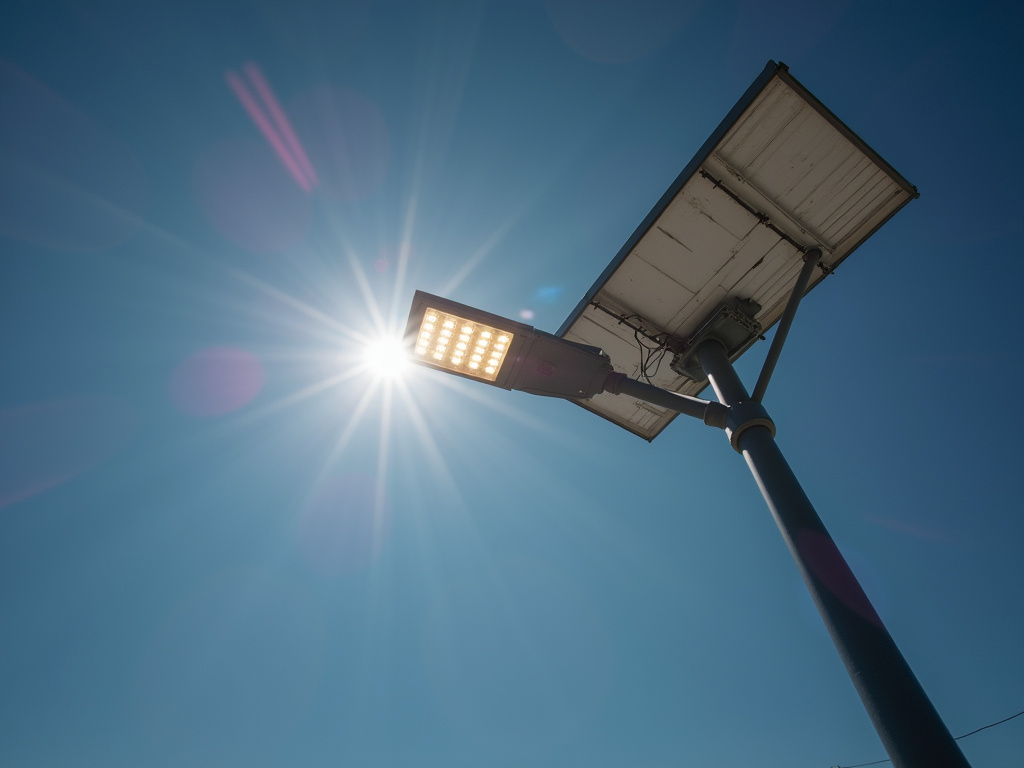
Design and Installation: Crafting a Sustainable Off Grid Infrastructure Lighting System
Creating an off-grid infrastructure lighting solution requires thoughtful design and meticulous installation, especially when aiming for sustainability. This approach transcends mere energy efficiency; it involves integrating lighting systems that minimize environmental impact while maximizing functionality. Start by evaluating your space and energy needs. Consider the layout, peak usage times, and the type of lighting required—ambient, task, or accent—to tailor your system accordingly.
Explore alternatives to conventional grid power, such as solar panels, wind turbines, or even micro-hydro systems, depending on your location and resources. For instance, solar-powered LED lights offer a popular, eco-friendly alternative, with advancements in technology allowing for brighter, longer-lasting illumination. Before engaging professionals, ask critical questions: What is the expected lifespan of the system? How easily replaceable are components? What level of maintenance is required? These considerations are vital to ensuring long-term efficiency and sustainability.
During installation, prioritize strategic placement to maximize natural light during the day and utilize artificial lighting efficiently in the evenings. Diffused or task-specific lighting can reduce energy waste. Smart controls, like motion sensors or dimmers, further enhance efficiency. When choosing Off Grid Infrastructure Lighting, consider both aesthetics and functionality. Assess the lighting’s color temperature, lumen output, and compatibility with your existing system. Remember, a well-designed, sustainable Off Grid Infrastructure Lighting system not only reduces your carbon footprint but also contributes to a healthier, more productive environment.
Maintenance and Innovations: Future-Proofing Your Off-Grid Lighting

Maintaining off-grid infrastructure lighting systems requires a proactive approach to ensure longevity and optimal performance. Given the remote and often harsh environments these systems operate in, regular checks and a deep understanding of the technology are essential. A well-maintained off-grid lighting setup can last for decades, but continuous innovation is vital to future-proofing these systems.
One of the key aspects of maintenance is understanding the system’s water resistance and protection against environmental factors. Corrosion and moisture intrusion are common issues, so using high-quality, durable materials and components is crucial. Additionally, regular cleaning and inspections are necessary to prevent buildup and ensure the system’s efficiency. A good rule of thumb is to conduct annual assessments, or more frequently in extreme conditions, to identify any potential issues early on.
Innovations in off-grid lighting technology are constantly emerging, offering improved efficiency, longer lifespans, and enhanced durability. LED technology, for instance, has revolutionized off-grid lighting, providing brighter, more energy-efficient illumination. These lights are also more durable, with a longer lifespan than traditional incandescent bulbs, reducing the frequency of replacements. Another game-changer is the development of smart lighting systems that can be remotely monitored and controlled, allowing for immediate issue identification and efficient energy management.
When considering the transition to off-grid infrastructure lighting, signs such as frequent maintenance issues, reliance on fuel for generators, or the desire to reduce environmental impact can indicate the need for a more sustainable solution. Alternatives to traditional grid-connected lighting include solar-powered, wind-powered, or hybrid systems, each offering unique benefits depending on the location and energy demands. By embracing these innovations, you can future-proof your lighting setup, ensuring reliable illumination for years to come.
Frequently Asked Questions About Off Grid Infrastructure Lighting
What is off-grid infrastructure lighting?
Off-grid infrastructure lighting refers to lighting systems designed to operate independently of a traditional power grid. These systems utilize renewable energy sources like solar panels or wind turbines to generate electricity, ensuring lighting in remote or off-the-grid locations. It’s an eco-friendly and sustainable alternative for areas without access to centralized electricity.
How does off-grid lighting work?
Off-grid lighting systems capture renewable energy through solar panels or wind turbines, storing excess energy in batteries. During periods of low or no sunlight or wind, these stored batteries power the lighting. This setup ensures consistent lighting without reliance on a central power supply, making it ideal for remote infrastructure.
What are the benefits of off-grid lighting?
Off-grid lighting offers numerous advantages, including reduced carbon footprint, lower maintenance costs, and increased reliability in remote areas. It’s a sustainable solution for places like camping sites, remote villages, and disaster relief areas, enhancing safety and accessibility without environmental impact.
Can off-grid lighting systems be scaled for different needs?
Absolutely. Off-grid lighting solutions are highly scalable, suitable for everything from illuminating a single building to powering entire communities. The system can be customized based on energy demands, with additional components added to accommodate larger scales.
What are some challenges with implementing off-grid lighting?
While off-grid lighting is advantageous, initial installation costs can be high. Additionally, regular maintenance and battery replacement are necessary to ensure continuous performance. However, these costs are offset by long-term energy savings and reduced environmental impact.
Are there any government incentives for off-grid lighting?
Many governments and organizations offer incentives to promote sustainable energy practices. These can include grants, tax credits, and subsidies for installing off-grid lighting systems. Staying informed about local programs can help offset the initial investment and make off-grid lighting more accessible.
How do I choose the right off-grid lighting system?
When selecting an off-grid lighting system, consider your energy needs, climate, and budget. Evaluate different brands and models, focusing on quality components, efficient energy usage, and reliable performance. Consulting with experts and reviewing customer feedback can guide your decision.
Off-Grid Infrastructure Lighting offers a sustainable and robust solution for illuminating remote or off-network locations, with significant benefits for both environmental and economic reasons. By understanding the essentials and implementing strategic design and installation practices, communities and businesses can create resilient lighting systems. Regular maintenance and embracing innovations in technology ensure these systems remain efficient and future-proof. This article has provided essential insights into the key aspects of Off-Grid Infrastructure Lighting, from foundational knowledge to practical applications and future trends, empowering readers to make informed decisions and take meaningful steps toward sustainable lighting solutions.