At a glanceOff-grid infrastructure lighting uses renewable energy sources like solar or wind power to provide lighting in remote areas without access to traditional electricity. These systems are designed to be sustainable, efficient, and low-maintenance, ideal for outdoor spaces, rural communities, and emergency preparedness.
Key Takeaways
- Off-grid lighting systems offer sustainable and resilient solutions for remote locations, reducing reliance on traditional energy networks.
- Solar-powered LED lights are highly efficient, durable, and cost-effective for various applications, including residential, commercial, and industrial uses.
- Battery storage systems integrated with lighting infrastructure enable continuous power supply during periods of low sunlight or grid outages.
- Smart lighting controls and sensors optimize energy usage by dimming, turning off, or adjusting brightness based on occupancy and ambient light levels.
- Distributed generation and localized energy management enhance overall system reliability and resilience against centralized grid failures.
- Utilizing advanced materials and design strategies can significantly improve the efficiency and lifespan of off-grid lighting components.
- Community engagement and education play a crucial role in fostering acceptance, adoption, and long-term sustainability of off-grid infrastructure lighting solutions.
In today’s growing emphasis on sustainability and resilience, off-grid infrastructure lighting emerges as a critical component in the transition towards more efficient and self-sufficient communities. Traditional power grids are often unreliable, especially in remote or underserved areas, leaving communities vulnerable and constrained. This is where off-grid infrastructure lighting steps in as a robust solution, empowering regions to illuminate their paths without relying on centralized electricity networks.
The challenge lies in developing and implementing lighting systems that are both energy-efficient and reliable, catering to diverse environments and user needs. This article delves into the intricacies of off-grid infrastructure lighting, exploring innovative technologies and strategies to illuminate a sustainable future.
Off Grid Infrastructure Lighting in : Where to Start
Looking for off grid infrastructure lighting in ? the team at Solar Path USA serves the local area and can answer questions specific to .
Understanding Off Grid Infrastructure Lighting Needs
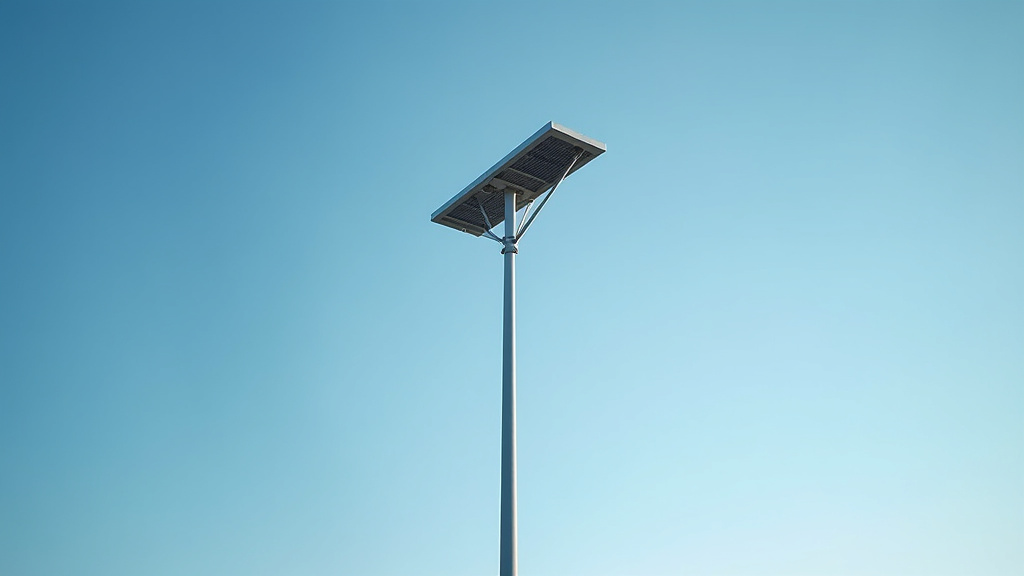
Understanding the specific lighting needs of off-grid infrastructure is paramount for successful implementation and long-term sustainability. Off-grid lighting systems differ significantly from their grid-tied counterparts, requiring careful consideration of energy sources, battery capacity, and load management. The duration of off-grid lighting systems, for instance, varies based on factors like the size of the system, energy efficiency of lights, and the number of hours of usage per day. According to a 2020 study, residential off-grid lighting systems can last for up to 20 years with proper maintenance, underscoring the importance of understanding and meeting these unique demands.
Identifying the need for off-grid infrastructure lighting is crucial. Signs include remote or rural locations without access to the power grid, frequent power outages, or a desire to minimize reliance on fossil fuels. When considering off-grid lighting, it’s essential to assess your energy demands, available sunlight, and budget. For instance, a remote monitoring station in a wilderness area will have different lighting needs than a residential home in a rural setting. This understanding guides the selection of appropriate lighting technologies, such as solar panels, batteries, and LED lights, ensuring efficiency and effectiveness.
Hiring professionals for off-grid infrastructure lighting is recommended, especially for complex installations. The process can be intricate, involving site assessments, system design, and installation. Experts can navigate the diverse options, ensuring systems are tailored to specific needs. They also provide ongoing support, crucial for troubleshooting and maintaining the system over time. Regular maintenance, including cleaning lights and checking battery health, is essential to maximize the lifespan of off-grid lighting systems. This proactive approach not only enhances energy efficiency but also contributes to the overall sustainability of remote or off-grid locations.
Choosing Sustainable Off Grid Lighting Solutions
Choosing sustainable off-grid lighting solutions is a crucial step in developing resilient and environmentally friendly infrastructure. The off-grid infrastructure lighting process involves selecting energy-efficient fixtures, integrating renewable energy sources like solar panels or wind turbines, and designing a system that meets the specific needs of the location. This approach not only reduces reliance on traditional power grids but also minimizes environmental impact, making it an increasingly popular choice for remote areas, outdoor spaces, and sustainable development projects.
When considering off-grid lighting, it’s essential to assess the site’s unique characteristics. Factors such as available sunlight, temperature fluctuations, and desired lighting levels play a significant role in system design. For instance, in regions with consistent sunlight exposure, solar-powered LED lights can be highly effective, offering long-lasting illumination with minimal maintenance. In contrast, wind-powered lighting systems might be more suitable for areas with consistent breezes, providing an alternative energy source for remote locations.
Hiring professionals for off-grid infrastructure lighting is recommended when the scale or complexity of the project demands expertise. The installation process can vary in duration, typically taking 1-3 weeks, depending on the system’s size and the site’s accessibility. Proper planning and design, coupled with high-quality components, ensure the system’s longevity and performance. Additionally, ongoing maintenance, including regular cleaning and component checks, is crucial to maximize the system’s lifespan and maintain optimal lighting levels. By embracing sustainable off-grid lighting solutions, we can contribute to a greener future while enhancing the functionality and aesthetics of remote and off-the-grid locations.
Implementing and Maintaining Efficient Off Grid Lighting Systems
Implementing and maintaining efficient off grid infrastructure lighting systems requires strategic planning and a deep understanding of available technologies. When choosing an off grid lighting provider, consider their experience in designing tailored solutions for diverse environments. Look for companies that specialize in renewable energy integration, offering both advanced LED technology and durable hardware capable of withstanding remote locations. A reputable provider should also supply comprehensive maintenance support, ensuring your system remains reliable over the long term.
Beyond traditional solar panels and batteries, modern alternatives include innovative solutions like wireless mesh networks and smart controls. Wireless lighting systems eliminate the need for extensive wiring, making installation more accessible and cost-effective in off grid settings. These technologies enable remote monitoring and control, allowing you to optimize energy usage and maintain system performance from afar. For instance, some advanced systems integrate with mobile apps, providing real-time data on energy consumption and battery levels.
When transitioning to off grid infrastructure lighting, expect significant energy savings and reduced reliance on fossil fuels. Studies show that LED technology can reduce energy consumption by up to 80% compared to incandescent bulbs. Moreover, proper system design and regular maintenance can extend the lifespan of your equipment, ensuring reliable illumination for years to come. By choosing the right provider and embracing cutting-edge technologies, you’ll not only enhance the sustainability of your off grid location but also create a vibrant and secure environment free from the constraints of centralized grids.
Frequently Asked Questions About Off Grid Infrastructure Lighting
What is off-grid infrastructure lighting?
Off-grid infrastructure lighting refers to lighting systems designed for locations without access to traditional power grids. These systems utilize renewable energy sources like solar panels, wind turbines, or generators to power lighting fixtures, offering a sustainable and independent solution for remote or rural areas.
How does off-grid lighting work in practice?
Off-grid lighting systems capture renewable energy through on-site generators or renewable energy sources. This energy is stored in batteries during the day and used to power LED lights at night. The system can be designed to include sensors for motion detection, ensuring efficient energy use while providing illumination when needed.
What are the benefits of off-grid infrastructure lighting?
Off-grid lighting offers numerous advantages, including reduced electricity bills, lower carbon emissions, and independence from traditional utility companies. It enhances accessibility in remote areas, improves safety through well-lit spaces, and contributes to a more sustainable environment by leveraging renewable energy sources.
Can off-grid lights be integrated with smart home systems?
Absolutely! Many modern off-grid lighting systems are equipped with smart features that allow integration into home automation networks. This enables control of lighting via smartphones or voice assistants, scheduling, and remote monitoring, enhancing convenience and energy efficiency.
What types of fixtures are available for off-grid lighting?
Off-grid lighting options include various LED fixtures, such as post lights, security lights, area lights, and decorative lamps. These fixtures are designed to be energy-efficient, durable, and suitable for outdoor conditions, ensuring reliable illumination while minimizing maintenance requirements.
How do I choose the right off-grid lighting system?
Selecting an off-grid lighting system depends on your energy needs, available space, and budget. Consider factors like light output, battery capacity, and weather resistance. Consulting with professionals and reviewing product specifications will help ensure you choose a system tailored to your specific requirements.
Are there any maintenance requirements for off-grid lights?
Regular cleaning and inspection are essential for optimal performance. While most off-grid systems require minimal maintenance, checking connections, battery health, and light functionality periodically is recommended. Keeping the fixtures free from debris and dust can also enhance their longevity.
Off Grid Infrastructure Lighting offers a sustainable and reliable solution for remote or off-grid locations. By understanding specific lighting needs, choosing eco-friendly technologies like solar and wind-powered systems, and implementing efficient design principles, communities can achieve robust illumination without reliant on traditional grids. This article has emphasized the importance of adaptability, energy conservation, and long-term cost savings in off-grid settings, providing valuable insights for those seeking to adopt such lighting systems. The key takeaways encourage readers to prioritize sustainable practices, embrace innovative technologies, and invest in efficient Off Grid Infrastructure Lighting solutions that cater to diverse needs while minimizing environmental impact.