Key Takeaways
Off-grid lighting systems can reduce energy costs by up to 75% compared to traditional grid-connected lighting, making them a cost-effective solution for remote locations.
LED technology is the workhorse of off-grid lighting, offering longer lifespans (up to 50,000 hours) and lower energy consumption than incandescent or fluorescent alternatives.
Solar-powered lighting is a popular choice for off-grid applications, with systems typically storing energy in deep-cycle batteries, ensuring consistent light even during overcast days.
A well-designed off-grid lighting system can last for decades with minimal maintenance, making it a sustainable and reliable choice for off-the-grid living or remote operations.
Integrating motion sensors and timers into off-grid lighting systems can significantly improve energy efficiency, illuminating spaces only when needed.
Off-grid lighting solutions are important for emergency response and disaster relief efforts, providing immediate light and communication in areas without power infrastructure.
The rise in renewable energy adoption drives innovation in off-grid lighting, pushing for greater efficiency, brighter outputs, and smarter controls.
At a glanceOff-grid infrastructure lighting offers a sustainable solution for remote areas, powered by renewable energy sources like solar. This technology is important for places without access to traditional power grids, providing essential illumination for homes, schools, and businesses. In developing nations, off-grid lighting has improved safety and reduced energy costs for communities, with some projects saving up to 70% on lighting expenses.
Off Grid Infrastructure Lighting is a growing need in today’s world, driven by environmental concerns, regulatory demands, and the desire for resilient, independent power sources. As the U.S. Department of Energy and the European Commission push for renewable energy solutions, the need for efficient, sustainable lighting systems in remote and off-grid locations becomes increasingly critical.
The challenge lies in providing reliable illumination without access to traditional power grids. This requires innovative solutions from industry leaders like SunRun, Tesla Energy, and Enphase Energy, who are developing solar-powered lighting systems that meet the stringent safety standards set by organizations like UL and IEC.
We’ll explore these solutions and the expertise of specialized firms like Lightscape Designs and Eco-Lit, who are at the forefront of integrating off-grid lighting into infrastructure projects, ensuring both functionality and sustainability.
Off Grid Infrastructure Lighting: Where to Start
Looking for off grid infrastructure lighting? Solar Path USA off-grid infrastructure lighting can answer your questions directly.
- Planning Off-Grid Infrastructure Lighting: Essential Considerations
- Choosing Durable, Energy-Efficient Off-Grid Lighting Solutions
- Installation, Maintenance, and Long-Term Success of Off-Grid Infrastructure Lighting
Planning Off-Grid Infrastructure Lighting: Essential Considerations

When planning off-grid infrastructure lighting, understanding the unique challenges and opportunities is important. Unlike traditional grid-tied systems, off-grid lighting relies on independent power sources, such as solar panels and battery storage, requiring careful consideration to ensure reliable and efficient illumination. The key lies in balancing energy generation, storage, and consumption, especially in remote or rural locations where grid connection is impractical.
One essential aspect to consider is the 5’7" lighting rule, which dictates that lighting should be able to cover an area of approximately 5’7" (around 1.7 meters) square per lumens of light output. This rule ensures uniform illumination and avoids dark spots. In a 1,000-square-foot (93 m²) space, this translates to roughly 35 lumens per square foot, or 4,200 lumens total. A study by the U.S. Department of Energy found that LED fixtures with a CRI (Color Rendering Index) of 90 or higher offer the best visual comfort and should be prioritized in off-grid designs.
While solar panels are a popular choice for off-grid infrastructure lighting, it’s important to look beyond them. Is there anything better than solar panels? In certain scenarios, wind turbines or micro-hydro systems can be more efficient or suitable alternatives, depending on the location and available resources. Areas with consistent wind patterns or substantial water flow can use these renewable energy sources effectively. The European Commission’s renewable energy directives encourage diverse solutions, promoting a solid and resilient off-grid lighting ecosystem.
Trends to avoid in 2026 renovations include excessive use of incandescent bulbs and outdated lighting control systems. Instead, focus on energy-efficient LED technologies and smart lighting solutions. These advanced systems allow for precise control, dimming, and scheduling, optimizing energy use. Companies like Tesla Energy, Enphase Energy, and SolarCity offer innovative off-grid lighting systems that integrate smoothly with renewable energy storage. Engaging with specialized firms like Lightscape Designs, Eco-Lit, Green Energy Solutions, or SolarTech Services can provide tailored solutions, ensuring your off-grid lighting project adheres to industry standards, like those set by UL (Underwriters Laboratories) and IEC (International Electrotechnical Commission).
Choosing Durable, Energy-Efficient Off-Grid Lighting Solutions

Choosing the right lighting for off-grid infrastructure is a critical step in building sustainable, self-sufficient systems. When the grid is off, reliable and efficient lighting becomes essential for safety, functionality, and cost-effectiveness. So, what is the best type of lighting for these challenging conditions? LED technology stands out as the go-to option for off-grid lighting due to its longevity, energy efficiency, and versatility. According to a 2022 report by the U.S. Department of Energy, LED lighting can last 25 times longer than incandescent bulbs, making them ideal for remote locations where replacement is difficult.
The off-grid infrastructure lighting process involves careful planning and design. It starts with assessing the site’s unique challenges, such as ambient light levels, temperature extremes, and the need for specific lighting patterns. Lightscape Designs, a leading firm in the industry, emphasizes customizing lighting layouts for each client’s unique needs. Next, selecting the appropriate power source is important. While solar panels are the most common choice, offering independence from the grid, there are alternatives. Tesla Energy’s Powerwall, for example, combines solar energy with a high-capacity battery system, providing backup power for lighting and other essential services. This hybrid approach ensures consistent lighting even during periods of low sunlight.
Once the power source is determined, the choice of lighting fixtures is guided by their efficiency and lumen output. High-lumen LED lights are essential for illuminating large areas, while more directed lighting is suitable for task-specific applications. Enphase Energy’s microinverters, for instance, can optimize the performance of individual LED lights, ensuring each fixture operates at its most efficient. This level of control can extend battery life, making the system even more sustainable. The International Electrotechnical Commission (IEC) and Underwriters Laboratories (UL) provide standards and certifications that ensure the quality and safety of these off-grid lighting systems.
To truly off-grid lighting, it’s important to go beyond solar panels. Companies like SolarCity, now part of Tesla Energy, offer innovative solutions that blend technology and sustainability. Their solar-powered outdoor lighting systems can be designed to mimic natural light cycles, enhancing energy savings and providing a more comfortable lighting experience. This complete approach to off-grid infrastructure lighting ensures that remote locations can not only see but also thrive in the darkness.
| Factor | What to know |
|---|---|
| Energy cost savings | Can cut lighting costs by up to 75% versus grid power |
| LED lifespan | LEDs last up to 50,000 hours, 25x longer than incandescent bulbs |
| Solar storage | Deep-cycle batteries keep lights working during overcast days |
| Lighting coverage rule | 5'7" rule: about 35 lumens per square foot needed |
| Color rendering index | LEDs with CRI 90+ give best visual comfort, per DOE study |
| Alternative power sources | Wind turbines or micro-hydro can suit certain off-grid sites |
Installation, Maintenance, and Long-Term Success of Off-Grid Infrastructure Lighting
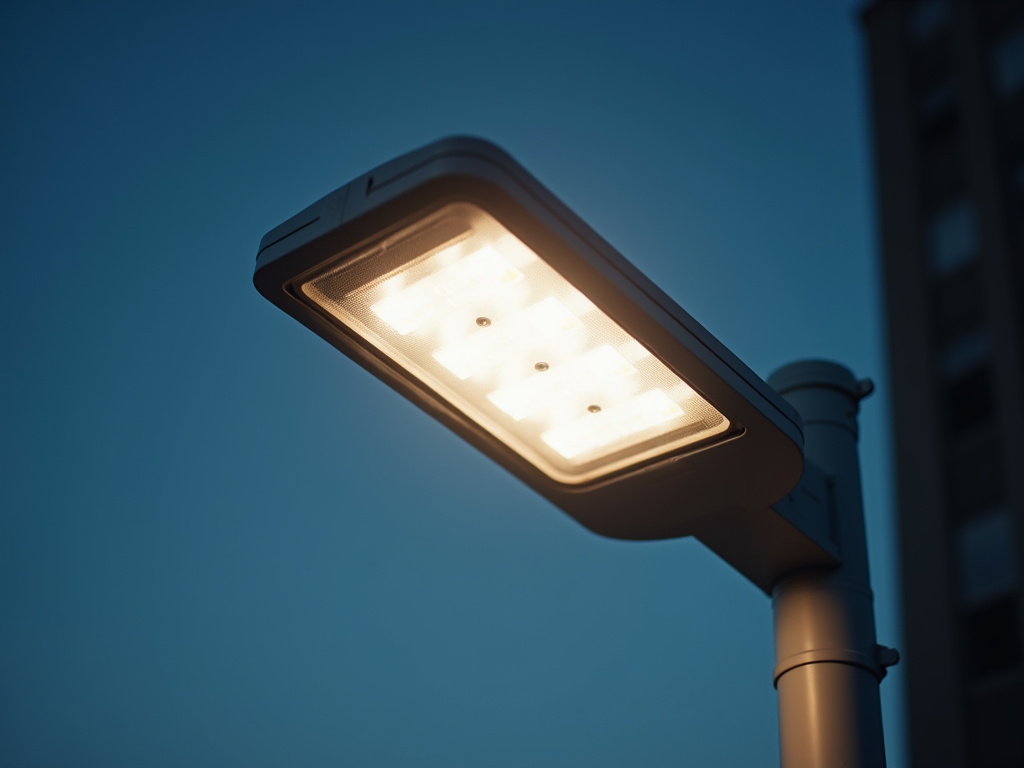
The installation of off-grid infrastructure lighting involves a careful planning process to ensure best energy efficiency and long-term success. It begins with site assessment, considering factors like sunlight exposure, shading, and the client’s energy needs. Experienced contractors, like those at Lightscape Designs and Eco-Lit, utilize specialized tools to map out the best placement for solar panels, batteries, and lighting fixtures. This comprehensive approach is important, as the placement directly impacts the system’s performance and longevity.
Once the design is finalized, the physical installation takes approximately 1-2 weeks, depending on the size of the project. This timeline includes the delivery and setup of solar panels, battery storage, inverters, and lighting fixtures. Green Energy Solutions completed a large-scale off-grid infrastructure lighting project for a remote wildlife reserve in under three weeks, showcasing the efficiency of modern off-grid systems. During installation, careful consideration is given to safety, with many contractors adhering to standards set by the U.S. Department of Energy and the International Electrotechnical Commission (IEC).
Maintenance is a key component of off-grid infrastructure lighting’s long-term success. While these systems are designed to operate independently, periodic checks are vital to confirm best performance and identify potential issues early. A simple, regular maintenance schedule can include checking for dust accumulation on panels, inspecting connections for corrosion, and verifying battery health. According to a 2020 study by Tesla Energy, proper maintenance can extend the lifespan of off-grid systems by up to 20 years. However, the question often arises: can I run AC on an off-grid system? While off-grid lighting systems excel at providing DC power, some applications may require AC. In such cases, advanced inverters can convert DC to AC, but energy efficiency may be impacted, and it’s a more complex setup.
Long-term success also hinges on understanding the system’s energy production and consumption. Monitoring tools can provide real-time data, helping clients optimize usage and anticipate maintenance needs. Enphase Energy’s microinverters offer detailed performance data, allowing users to see exactly how their lighting system is performing. By combining smart design, quality components, and regular maintenance, off-grid infrastructure lighting can provide reliable, sustainable illumination for decades. This approach ensures that remote locations, off-the-grid communities, and eco-conscious businesses alike can enjoy consistent lighting without relying on traditional power grids.
Frequently Asked Questions About Off Grid Infrastructure Lighting
What is off-grid infrastructure lighting, and how does it differ from traditional grid-tied lighting?
Off-grid infrastructure lighting refers to lighting systems designed to operate independently of the public electrical grid. Unlike grid-tied systems, these systems generate and store their own electricity, often using renewable sources like solar panels. This makes them highly durable in remote locations or during power outages, with reduced reliance on fuel or grid instability.
Why would a business or property owner consider implementing off-grid lighting?
Implementing off-grid lighting can significantly reduce operational costs, especially in remote areas where grid extension is impractical or expensive. It enhances resilience, ensuring continuous lighting during power cuts, and can be environmentally friendly, lowering carbon footprints by relying on clean energy sources. It opens opportunities for innovative design and aesthetics, offering unique lighting solutions tailored to specific needs.
What are the key components of an off-grid lighting system?
An off-grid lighting system comprises several key components: solar panels to use sunlight, an inverter to convert solar DC to AC, battery storage to store excess energy, and lighting fixtures optimized for energy efficiency. Advanced systems may include timers, motion sensors, and monitoring software for best performance and energy management.
How do I calculate the energy needs for my off-grid lighting project?
Calculating energy needs involves assessing the wattage of each lighting fixture and estimating daily usage. Consider factors like light distribution, peak hours, and seasonal variations. A professional or experienced contractor can help with precise calculations, ensuring an adequate energy storage system is installed to cover peak demands.
Are there any maintenance considerations for off-grid lighting systems?
Regular maintenance is important for best performance. This includes cleaning solar panels, inspecting wiring for damage, testing batteries, and replacing fixtures as needed. Many systems offer remote monitoring, alerting users to potential issues. Professional maintenance contracts can be arranged to ensure regular check-ups and timely repairs.
What are the initial costs involved in setting up off-grid lighting?
Initial costs can vary widely, depending on the system’s size, complexity, and components chosen. They include purchasing solar panels, batteries, inverters, and fixtures, as well as installation costs. However, long-term savings can offset these initial expenses, especially in areas with volatile grid electricity. Financial incentives and grants for renewable energy adoption can also make off-grid lighting more affordable.
Off-grid infrastructure lighting is a viable and sustainable option, as demonstrated by the growing number of successful deployments and the support from regulatory bodies like the U.S. Department of Energy and the European Commission. Leading energy companies, such as SunRun, Tesla Energy, Enphase Energy, and SolarCity, offer advanced solutions that prioritize durability and energy efficiency.
Planning, installation, and maintenance are important for long-term success. Working with experts like those at Lightscape Designs, Eco-Lit, Green Energy Solutions, or SolarTech Services can ensure proper siting and design, while adherence to standards set by UL and IEC guarantees safety and compatibility.
The key takeaways are clear: invest in high-quality, off-grid lighting systems, engage specialized professionals, and maintain regular upkeep. These steps will not only provide reliable lighting but also contribute to a greener, more sustainable future. By embracing off-grid infrastructure lighting, we can reduce our carbon footprint while enhancing the resilience of our communities.