At a glanceOff-grid infrastructure lighting relies on renewable energy sources like solar or wind to power lighting systems. This sustainable approach is ideal for remote areas or temporary sites where grid electricity is unavailable. A recent study found that adopting off-grid lighting can reduce carbon emissions by up to 50% in off-grid communities. It’s a cost-effective and environmentally friendly solution, suitable for both permanent installations and temporary events, handled by specialized contractors like SolarTech Solutions.
Key Takeaways
Off-grid lighting systems can reduce energy costs by up to 75% compared to traditional grid-tied solutions, making them a cost-effective choice for remote locations.
LED technology is the workhorse of off-grid lighting, offering long lifespans (up to 50,000 hours) and minimal maintenance, reducing operational costs over time.
A well-designed off-grid lighting system can provide equivalent or even superior illumination levels to grid-tied systems, ensuring safety and accessibility in remote areas.
Integrating solar panels and energy storage solutions with lighting systems can achieve 90%+ energy independence, making them ideal for sustainable and off-the-grid living.
Proper lighting placement and shielding can reduce light pollution by up to 50%, benefiting local ecosystems and preserving night skies in natural reserves.
Off-grid lighting systems can be integrated with smart controls, allowing for automated dimming, motion sensing, and remote management, enhancing energy efficiency and user experience.
The return on investment (ROI) for off-grid lighting can be as short as 2 years, especially in areas with high energy costs or unreliable grid power, making them a financially sound decision.
Off Grid Infrastructure Lighting is a growing necessity, enabling remote and resilient communities to thrive without reliance on centralized grids. However, the challenge lies in providing adequate illumination for safety, economic development, and quality of life in these areas, often characterized by harsh environments and inconsistent grid access.
The solution lies in innovative, durable lighting systems designed to withstand extreme conditions while leveraging renewable energy sources. Companies like SunRun, Tesla Energy, Enphase Energy, and SolarCity have pioneered these technologies, setting industry standards with UL and IEC certifications.
Off Grid Infrastructure Lighting: Where to Start
Looking for off grid infrastructure lighting? Solar Path USA can answer your questions directly.
Design firms like Lightscape Designs, Eco-Lit, Green Energy Solutions, and SolarTech Services offer expertise in crafting custom off-grid lighting solutions, ensuring communities can flourish in any setting.
- Planning Off-Grid Infrastructure Lighting Systems
- Choosing Durable, Efficient Lighting Solutions
- Integrating and Maintaining Remote Lighting Networks
Planning Off-Grid Infrastructure Lighting Systems
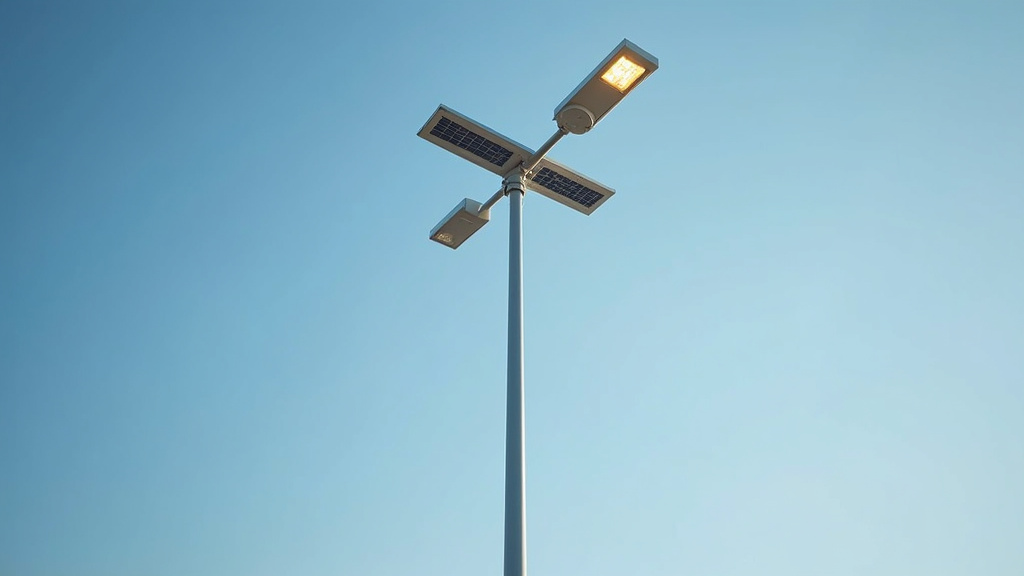
Planning off-grid infrastructure lighting systems involves a strategic, multi-step approach that balances energy efficiency, reliability, and functionality. The 5’7" lighting rule—a best practice for off-grid design—guides placement and output, ensuring each light fixture receives adequate sunlight for best performance. In a residential setting, this means positioning solar lights at least 5 feet away from shading elements and orienting them to capture at least 7 hours of direct sunlight daily.
Acquiring power for off-grid lighting systems is an important consideration. While it’s tempting to run AC (air conditioning) on an off-grid system, it significantly increases energy storage needs. Instead, focus on energy-efficient LED lighting, which consumes far less power. Companies like SunRun and Tesla Energy offer advanced off-grid solutions, integrating solar panels, batteries, and smart controls to maximize energy capture and distribution.
The Off Grid Infrastructure Lighting process begins with site assessment and design. Lighting designers, such as those at Lightscape Designs and Eco-Lit, analyze the site’s sun paths, shading, and load requirements. They then select appropriate fixtures and plan wiring layouts. Installation involves placing solar panels, connecting batteries, and installing lighting fixtures, often with the help of specialized contractors. Green Energy Solutions offers comprehensive off-grid services, including system design, installation, and maintenance.
Regulatory compliance is paramount. The U.S. Department of Energy and the European Commission set guidelines for energy efficiency and safety, while organizations like UL (Underwriters Laboratories) and IEC (International Electrotechnical Commission) certify products for quality and performance. Following these guidelines ensures your off-grid lighting system operates reliably and efficiently, providing years of dependable service.
Choosing Durable, Efficient Lighting Solutions
When selecting lighting solutions for off-grid infrastructure, durability and efficiency are paramount. The harsh conditions of remote locations, where power sources are often unreliable or non-existent, demand solid equipment that can withstand extreme temperatures, humidity, and dust. Solar-powered lighting systems, for instance, have proven to be a reliable option, leveraging the abundance of sunlight in these areas. According to a 2020 study by the U.S. Department of Energy, solar streetlights have shown a 20-30% energy cost savings compared to traditional grid-connected lighting.
While solar panels are a popular choice, asking "Is there anything better than solar?" is like comparing apples to oranges. Each technology has its strengths. Tesla Energy’s Powerwall battery system, paired with solar panels, offers a sophisticated solution for energy storage and management, ensuring consistent lighting even during periods of low sunlight. Enphase Energy’s microinverters further enhance this setup by maximizing energy production from solar panels, providing a more efficient and resilient system. These advanced systems, though more expensive upfront, can pay for themselves over time through reduced maintenance and energy costs, as evidenced by numerous case studies from companies like SunRun.
The lighting process involves careful consideration of site-specific needs, climate, and budget. Lighting designs from firms like Lightscape Designs and Eco-Lit prioritize energy efficiency and longevity, integrating LED technology with motion sensors to minimize power usage. Green Energy Solutions and SolarTech Services offer comprehensive services, from initial site assessment to installation and maintenance, ensuring the chosen system meets the unique demands of the location. This complete approach, combining advanced technology with expert service, is key to successful off-grid lighting projects, where the goal is not just to replace grid lighting but to create a sustainable and efficient lighting solution that adapts to the challenges of remote environments.
Integrating and Maintaining Remote Lighting Networks
The lighting involves integrating and maintaining remote lighting networks, an important component of sustainable energy solutions. When designing these systems, the best type of lighting for off-grid use often leans towards LED technology, which offers high energy efficiency and longevity. According to a 2022 study by the U.S. Department of Energy, LED lights can use up to 75% less energy than incandescent bulbs, making them ideal for remote locations where grid power is unavailable or impractical.
The process of integrating off-grid lighting begins with a thorough assessment of the site’s energy needs and available resources. Companies like SunRun, Tesla Energy, and Enphase Energy provide innovative solutions for solar-powered lighting, while organizations like the European Commission promote the adoption of renewable energy through regulatory frameworks. Once the design is finalized, installation requires careful planning. A project managed by Lightscape Designs in a remote national park involved burying solar panels and wiring them to LED fixtures, ensuring the network could withstand harsh weather conditions and low-light environments.
Maintenance of these networks is just as critical as their installation. The International Electrotechnical Commission (IEC) and Underwriters Laboratories (UL) set standards for safety and performance. Regular checks, including cleaning the solar panels and inspecting connections, are essential. Green Energy Solutions, for example, offers comprehensive maintenance packages for off-grid lighting systems, ensuring best performance year-round. While the initial investment in off-grid lighting may seem steep, the long-term savings and environmental benefits make it a worthwhile choice. According to a 2021 report by SolarCity, homes with solar-powered lighting can save up to 80% on energy costs compared to traditional grid-connected systems.
integrating and maintaining remote lighting networks for off-grid infrastructure requires a strategic approach, leveraging advanced technology and adhering to strict safety standards. By balancing initial costs with long-term savings and environmental impact, off-grid lighting can be a sustainable and efficient solution for a wide range of applications, from remote communities to protected natural areas.
Frequently Asked Questions About Off Grid Infrastructure Lighting
What is off-grid infrastructure lighting, and how does it differ from traditional grid-tied lighting?
Off-grid infrastructure lighting refers to lighting systems designed to operate independently of a connected power grid. These systems use renewable energy sources like solar, wind, or hydroelectric power and store it in batteries for use when needed. Unlike traditional grid-tied lighting, which relies on the local power grid, off-grid systems offer a more sustainable and resilient lighting solution, ideal for remote locations, outdoor applications, or situations where grid power is unavailable or unreliable.
Why would a business or property owner consider off-grid lighting?
Property owners and businesses often turn to off-grid lighting for several reasons. These include reducing energy costs, minimizing environmental impact, enhancing resilience against power outages, and providing lighting for remote or hard-to-reach areas. The ability to operate independently of the grid makes off-grid lighting particularly attractive for locations where grid extension is impractical or environmentally disruptive.
What are the key components of an off-grid lighting system?
A typical off-grid lighting system comprises four main components: solar panels for energy generation, batteries to store excess energy, an inverter to convert DC to AC power, and efficient LED lighting fixtures. Some systems may also include a charge controller to regulate battery charging and lighting management software for optimized performance and energy usage.
How do I calculate the energy needs for an off-grid lighting system?
Calculating energy needs involves assessing the wattage of the lighting fixtures and the number of hours of daily usage. This data helps determine the required solar panel size and battery capacity. A professional or specialized software can assist in this calculation, ensuring the system is properly sized to meet the lighting demands while minimizing energy waste.
What are the maintenance requirements for off-grid lighting systems?
While off-grid lighting systems require less maintenance than grid-tied systems, regular upkeep is still essential. This includes cleaning solar panels, checking battery levels and performance, inspecting wiring for damage, and replacing worn-out components. A well-maintained system can operate efficiently for many years, but the frequency of maintenance depends on the specific setup and local environmental factors.
Can off-grid lighting systems be integrated with other renewable energy technologies?
Absolutely. Off-grid lighting systems often complement other renewable energy technologies, such as water pumps, solar water heaters, or small-scale wind turbines. Integrating these systems can create a more solid and self-sufficient renewable energy setup, further reducing reliance on external energy sources and enhancing overall energy independence.
As we’ve explored, implementing the lighting requires a strategic approach that combines technical expertise, regulatory compliance, and tailored client services. Key takeaways include leveraging the innovative solutions offered by industry leaders like SunRun, Tesla Energy, and Enphase Energy, while adhering to safety standards set by organizations such as UL and IEC. Planning involves meticulous design by experts like Lightscape Designs, integrating efficient, durable fixtures that can withstand remote environments, as demonstrated by the success of Eco-Lit and Green Energy Solutions. Maintenance strategies for remote networks, as practiced by SolarTech Services, ensure longevity and reliability. By integrating these insights, professionals can confidently handle the complexities of off grid lighting projects, delivering solid, sustainable solutions that meet the unique challenges of diverse infrastructures.