Key Takeaways
- The time it takes to install Off Grid Infrastructure Lighting varies based on project complexity and location, typically ranging from a few days to a week.
- Remote areas may require additional time for material transportation, impacting the overall duration of the installation process.
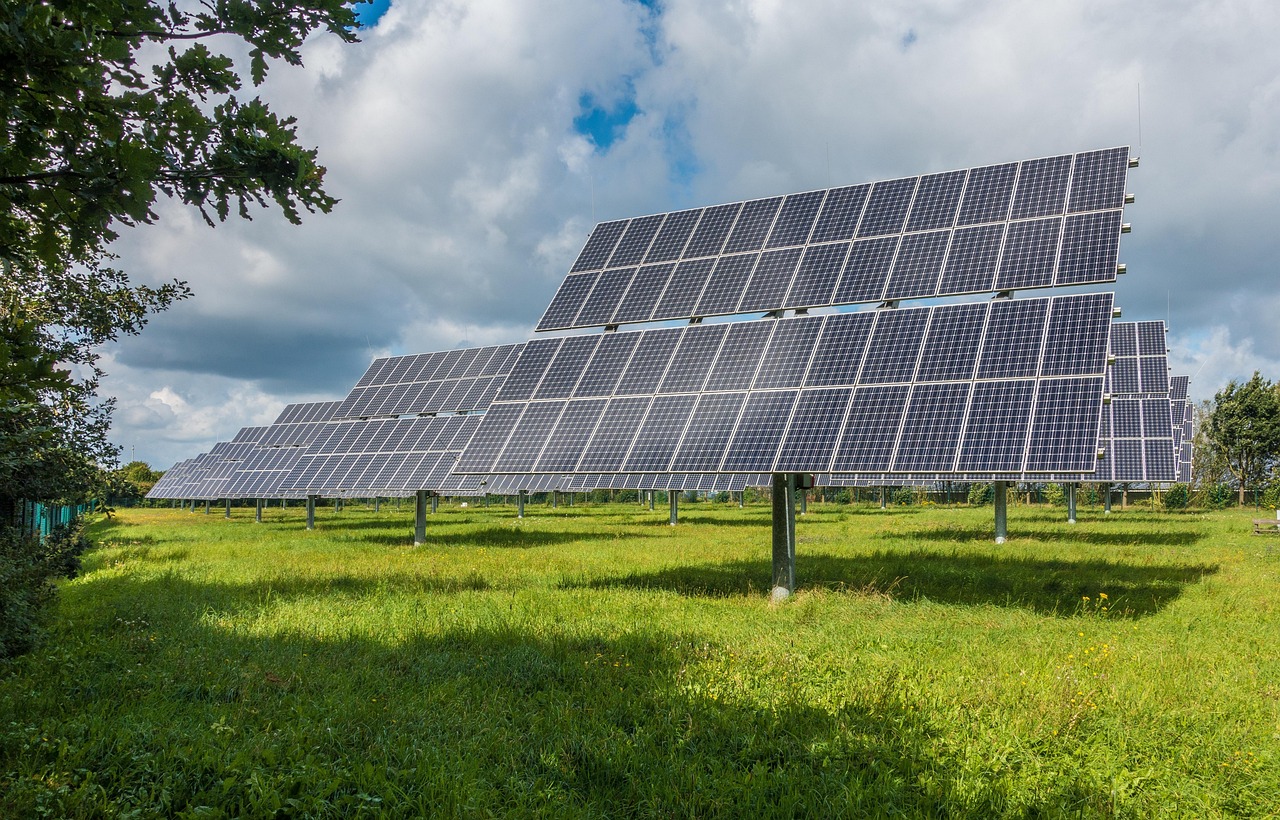
- Incorporating renewable energy sources like solar panels can extend the setup timeline but significantly enhances long-term sustainability.
- Professional installers can streamline the process, reducing labor hours and potentially shortening installation times.
- Regular maintenance checks are crucial to ensure optimal performance and longevity of Off Grid Infrastructure Lighting systems, adding a recurring time component.
- Efficient design choices and utilizing energy-efficient bulbs contribute to faster installations and reduced overall system cost.
Off Grid Infrastructure Lighting typically takes 1-2 weeks to install, depending on the size and complexity of the project. This includes preparing the site, installing solar panels, batteries, and lighting fixtures, as well as testing the system for optimal performance and reliability.
In today's world, the transition to sustainable and resilient energy solutions is not just a trend but a necessity. Off Grid Infrastructure Lighting stands as a cornerstone of this movement, offering a path to efficient and environmentally friendly illumination. However, understanding the timeline for implementing these systems is crucial for both policymakers and investors. The traditional reliance on centralized grid systems for lighting has long been the status quo, but the shift towards off-grid alternatives presents unique challenges, particularly in terms of installation and time commitment. This article delves into the factors influencing the duration of Off Grid Infrastructure Lighting projects, providing insights that are invaluable for those seeking to navigate this complex yet essential journey towards a greener future.
- Understanding Off Grid Lighting Requirements
- Installation and Setup Timeframe Analysis
- Longevity and Maintenance Considerations
Understanding Off Grid Lighting Requirements
Understanding off-grid lighting requirements is crucial when aiming to implement effective off-grid infrastructure lighting solutions. The process involves careful consideration of factors such as location, energy source, and specific lighting needs. Initially, assessing the site's unique challenges and designing a tailored system that leverages renewable energy sources like solar or wind is paramount. This step ensures sustainability and longevity in remote or inaccessible areas where traditional grid power isn't available.
Choosing the right off-grid infrastructure lighting involves evaluating factors such as lumens per watt, color temperature, and control options. High-efficiency LED lights are often the preferred choice due to their durability and energy efficiency. For instance, a 10-watt LED light can replace a 60-watt incandescent bulb, significantly reducing energy consumption. Additionally, incorporating motion sensors or dimmers can further optimize energy use by ensuring lights only operate when needed, extending battery life in off-grid setups.
The off-grid infrastructure lighting process encompasses several stages. It begins with site assessment and design, followed by system installation, testing, and finally, maintenance. Throughout each phase, it's vital to expect potential challenges, such as adapting to varying weather conditions or managing energy storage capacity. Regular maintenance checks are essential to ensure longevity and peak performance of the system. For instance, a well-maintained solar panel array can maintain optimal efficiency for up to 25 years, providing reliable lighting solutions over time. This approach not only ensures effective off-grid lighting but also fosters environmental sustainability and reduces operational costs in the long run.
Installation and Setup Timeframe Analysis
The installation and setup time for Off Grid Infrastructure Lighting can vary significantly depending on several factors. Before diving into the process, it's crucial to ask the right questions and understand your lighting needs. This initial assessment will help determine whether Off Grid Infrastructure Lighting is the right choice for your space and whether the benefits outweigh the investment in time and resources.
Consider factors like the size and complexity of your property, existing infrastructure, and accessibility. For instance, a remote rural location may require more time and specialized equipment for lighting setup due to the absence of established grid connections. According to industry experts, the average installation time for Off Grid Infrastructure Lighting can range from several weeks to a month or more. This timeline includes obtaining necessary permits, preparing the site, installing solar panels or generators, and setting up the lighting system.
Do you actually need Off Grid Infrastructure Lighting? Signs you might include considerations like frequent power outages, remote or off-the-grid locations, or the desire for a more sustainable and independent lighting solution. For example, a small rural community experiencing frequent power cuts could benefit from Off Grid Infrastructure Lighting to ensure resilience and continuity in emergency situations. Additionally, those seeking a more eco-friendly approach to lighting may find that the setup time and initial investment are justified by the long-term savings and reduced environmental impact.
In terms of actionable advice, it's beneficial to consult with experienced professionals who can assess your unique situation. They can guide you through the questions to ask, such as load calculations, maintenance requirements, and potential challenges specific to your area. By the time you've completed these considerations, you'll have a clearer understanding of the commitment required and whether Off Grid Infrastructure Lighting is the game-changer your space needs.
Longevity and Maintenance Considerations
When considering the longevity and maintenance of Off Grid Infrastructure Lighting, it's crucial to understand the factors that contribute to its durability. The lifespan of these lighting systems can vary significantly based on several key elements. One of the primary advantages is their potential to operate without reliance on the grid, making them suitable for remote or rural areas where traditional electricity infrastructure is absent or inadequate. However, this off-grid nature also presents unique challenges, particularly in terms of maintenance and the choice of equipment.
Choosing the right Off Grid Infrastructure Lighting is a critical step that can greatly impact long-term performance. Factors to consider include environmental conditions, such as extreme temperatures and humidity, which can affect the deterioration of components. For instance, LED lights are generally more durable and efficient than incandescent bulbs, with some models designed to withstand harsh environments. Additionally, the quality of the battery system is paramount; deep-cycle batteries, often lithium-based, offer longer cycles and faster charging times, ensuring the lighting remains operational over extended periods. Regular maintenance, including cleaning, inspection, and replacement of parts, is essential to keep these systems running smoothly.
Many experts advocate for Off Grid Infrastructure Lighting, citing its independence from traditional energy sources and the potential for significant cost savings over time. However, it's not without its considerations. Some users report that initial setup costs can be high, and ongoing maintenance, especially in remote locations, can be challenging. Therefore, before investing, it's essential to ask the right questions. Assess the accessibility of the site for maintenance, consider the local climate, and evaluate the specific needs of the area to be lit. By carefully considering these factors, you can ensure a reliable and long-lasting off-grid lighting solution.
Frequently Asked Questions About How long does Off Grid Infrastructure Lighting take?
How long does it take to install off-grid infrastructure lighting? Off-grid infrastructure lighting installations can vary in duration depending on several factors, including the size and complexity of the project, terrain accessibility, and local regulations. On average, a comprehensive setup can be completed within 2-4 weeks. This timeline includes obtaining necessary permits, site preparation, equipment procurement, and final assembly and testing.
What is the difference between grid-tied and off-grid lighting systems? Grid-tied systems are connected to the local power grid, allowing for continuous electricity supply. In contrast, off-grid lighting operates independently using batteries or alternative energy sources like solar panels. Off-grid setups are ideal for remote locations where grid access is unavailable or impractical.
How long do solar panels take to charge the battery for off-grid lighting? The charging time for solar panels depends on various factors, including panel efficiency, battery capacity, and available sunlight. In optimal conditions, a fully charged battery can be achieved within 4-6 hours of direct sunlight. However, in lower-light conditions or when cloud cover is present, it may take up to a full day.
Are there any maintenance requirements for off-grid infrastructure lighting? Regular cleaning and inspection are essential to maintain optimal performance. This includes keeping solar panels clean and free from debris to maximize sunlight absorption. Battery maintenance, such as periodic testing and topping up, is also crucial. Generally, with proper care, off-grid lighting systems require minimal maintenance and can last 10-20 years or more.
How long does the battery in an off-grid lighting system typically last? The lifespan of a battery depends on several factors, including its capacity, depth of discharge, and charging/discharging rates. Deep-cycle lead-acid batteries commonly used in off-grid systems can last 3-5 years under normal conditions. Lithium-ion batteries, known for their longer life and higher energy density, can last up to 10 years or more.
Can off-grid lighting be expanded or scaled to accommodate future needs? Absolutely. Off-grid lighting systems are designed with flexibility in mind. Additional solar panels and battery capacity can be added as needed to increase the system's output and extend its range. This modular design allows for future growth, making it suitable for expanding operations without sacrificing energy independence.
Off Grid Infrastructure Lighting is a sustainable and reliable solution when properly planned and implemented. Understanding the interconnected factors of lighting requirements, installation time, and maintenance is key to successful deployment. The article highlights that while initial setup may take several weeks, including site assessment, component procurement, and skilled labor, the long-term benefits are substantial. With careful consideration of local conditions and use cases, Off Grid Infrastructure Lighting can last for decades with minimal upkeep, offering a cost-effective and eco-friendly alternative to conventional power-dependent systems. This comprehensive approach ensures not only efficient lighting but also contributes to a more sustainable future.