
Key Takeaways
- Off-grid infrastructure lighting offers sustainable and resilient solutions for remote locations with limited access to traditional power sources.
- Solar-powered LED lights are highly efficient, long-lasting, and require minimal maintenance, making them ideal for off-grid applications.
- Integrating energy storage systems with solar lighting can ensure continuous illumination during periods of low sunlight or at night.
- Off-grid lighting systems can significantly reduce operational costs and carbon emissions compared to diesel generators or grid extension.
- Remote monitoring and smart controls enable efficient management, troubleshooting, and optimization of off-grid lighting infrastructure.
- Local community engagement and skills training are crucial for the successful adoption and long-term sustainability of these lighting solutions.
- Innovative financing models, such as public-private partnerships, can accelerate the deployment and scalability of off-grid infrastructure lighting projects.
At a glanceOff-grid infrastructure lighting uses renewable energy sources like solar panels and wind turbines to power lights, providing sustainable illumination for remote areas without access to traditional power grids. This eco-friendly approach reduces carbon footprints while offering reliable and cost-effective lighting solutions.
In today’s growing focus on sustainability and resilience, off-grid infrastructure lighting emerges as a critical component in the transition towards more autonomous and environmentally friendly communities. The traditional reliance on centralized power grids for lighting urban areas presents numerous challenges, from energy wastage to vulnerability to outages. Off-grid infrastructure lighting offers a cutting-edge solution, leveraging renewable energy sources and advanced lighting technologies to illuminate public spaces, highways, and residential neighborhoods independently. This article delves into the intricacies of designing, implementing, and maintaining such systems, equipping readers with the knowledge to embrace this transformative technology.
Off Grid Infrastructure Lighting in : Where to Start
Looking for off grid infrastructure lighting in ? solar lighting for remote sites serves the local area and can answer questions specific to .
Understanding Off-Grid Lighting Fundamentals
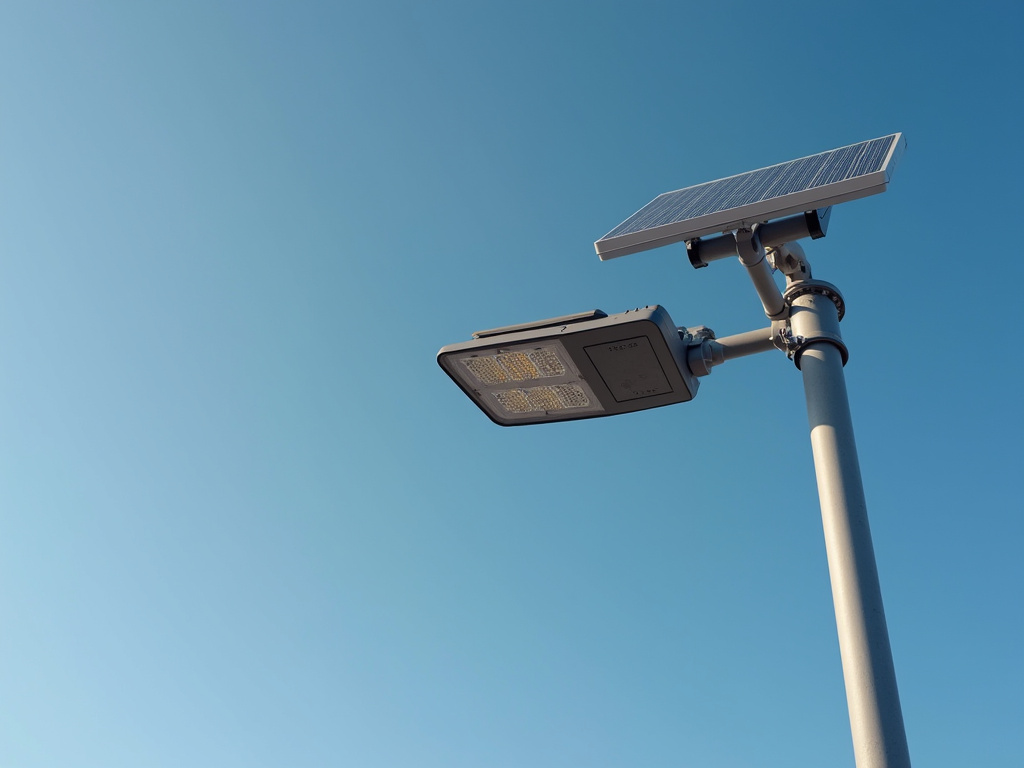
Off-Grid infrastructure lighting, while often overlooked, is a critical component in remote or sustainable project development. Its fundamental role is to provide illumination where traditional power grids are inaccessible or unviable, making it a crucial consideration for various scenarios. Understanding the basics of off-grid lighting is essential, especially when planning remote locations, disaster-stricken areas, or off-the-beaten-path projects.
The primary advantage of off-grid lighting is its independence from centralized energy sources. This is achieved through a combination of renewable energy generators (like solar panels or wind turbines) and energy storage systems (batteries). These systems capture and store natural energy, which is then used to power lighting fixtures. This approach ensures consistent lighting without relying on fuel deliveries or grid connections, making it a sustainable and cost-effective solution. For instance, in remote mining sites or wilderness retreats, off-grid infrastructure lighting can eliminate the need for diesel generators, reducing operational costs and environmental impact.
Determining when to adopt off-grid lighting involves evaluating project needs and site conditions. Signs you actually need off-grid infrastructure lighting include remote locations with no access to the grid, unpredictable or extreme weather conditions that disrupt power supplies, and projects with stringent environmental considerations. If you find yourself frequently dealing with power outages or seeking alternatives to conventional energy sources, off-grid lighting might be the solution. For example, a research station in the Arctic or a remote healthcare clinic could greatly benefit from this technology, ensuring continuous operations and patient safety. Consulting with lighting and renewable energy experts is advisable to assess specific requirements and design efficient systems.
Designing Efficient Lighting Systems for Remote Infrastructure
Designing efficient lighting systems for remote infrastructure is a complex yet crucial task in off grid lighting. Off Grid Infrastructure Lighting encompasses more than just installing lights; it involves strategically integrating energy sources with lighting fixtures to ensure reliable illumination while minimizing environmental impact and operational costs. The process typically begins with assessing the specific needs of the site, including the type of activities performed, safety considerations, and aesthetic preferences.
A key aspect is selecting appropriate technologies. Solar-powered systems are increasingly popular due to their renewable energy benefits and ease of maintenance. LED lighting, known for its energy efficiency and longevity, pairs seamlessly with solar panels, enabling cost-effective and environmentally friendly solutions. For instance, in remote mining sites or national park visitor centers, solar-powered LED lights can drastically reduce electricity demands, eliminating the need for diesel generators or grid connections.
However, designing off grid lighting requires careful consideration of duration and intensity requirements to avoid inefficient energy usage. While LED lights consume less power than traditional incandescent bulbs, prolonged use still necessitates adequate battery storage or alternative energy sources. A well-designed system ensures lights operate at optimal levels only when needed, preventing excessive energy draw. For instance, motion sensors can be integrated to activate lighting during movement, reducing energy waste in dormant areas. Avoiding common pitfalls, such as over-dimensioning systems for all eventualities or neglecting maintenance plans, is essential for long-term success. Regular cleaning of solar panels and efficient battery management practices are vital to maintain optimal performance and extend the lifespan of off grid infrastructure lighting systems.
| Factor | What to know |
|---|---|
| Energy sources | Solar panels or wind turbines paired with battery storage systems |
| LED lighting | Energy-efficient, long-lasting, pairs well with solar power |
| Motion sensors | Activate lighting during movement to reduce energy waste |
| Site assessment | Evaluate activities, safety needs, and aesthetic preferences before design |
| Maintenance practices | Regular panel cleaning and battery management extend system lifespan |
| Community engagement | Local training and skills building support long-term sustainability |
Implementing and Maintaining Solar-Powered Off-Grid Lighting Solutions
Implementing and maintaining solar-powered off-grid lighting solutions is a strategic move towards sustainable and resilient infrastructure. Off grid infrastructure lighting encompasses outdoor lighting systems designed to operate independently of traditional power grids, relying on renewable energy sources like sunlight. This approach is particularly beneficial for remote locations, disaster-prone areas, or when reliable grid electricity is unavailable. Solar-powered options have emerged as a game-changer, offering environmentally friendly and cost-effective solutions.
The primary advantages include reduced carbon footprint, lower operational costs over time, and enhanced resilience during power outages or natural disasters. However, navigating the challenges associated with off-grid infrastructure lighting is crucial for successful implementation. One of the key issues to avoid is inadequate system design, which can lead to underperformance or premature failure. Ensuring optimal sunlight exposure, choosing appropriate battery storage capacity, and integrating smart controls are vital considerations. For instance, a poorly designed system might result in insufficient light levels during peak usage times, negating the environmental benefits and safety gains.
Hiring specialized professionals for initial setup and periodic maintenance is recommended, especially for complex projects. They can provide expert insights tailored to specific locations and needs. Over time, as technology advances and costs decline, off-grid lighting becomes increasingly accessible for diverse applications. Whether illuminating rural roads, powering remote community centers, or enhancing security in isolated areas, solar-powered solutions offer a promising path towards more sustainable and resilient off grid infrastructure lighting.
Frequently Asked Questions About Off Grid Infrastructure Lighting
What is off-grid infrastructure lighting?
Off-grid infrastructure lighting refers to lighting systems designed to operate independently of a traditional power grid. These systems harness renewable energy sources like solar, wind, or hydroelectric power and store it in batteries for use during periods without sunlight or other primary energy generation. This technology is crucial for remote locations, emergency preparedness, and sustainable practices.
How does off-grid lighting differ from on-grid lighting?
The primary difference lies in their power source and reliance on a central grid. On-grid systems draw electricity directly from the local power network, while off-grid systems use alternative energy sources and battery storage. Off-grid lights are designed for self-sufficiency, making them ideal for areas without access to traditional utilities or as backup solutions during outages.
What types of technologies are used in off-grid lighting?
Off-grid lighting employs various technologies, primarily involving solar panels and LED (light-emitting diode) fixtures. Solar panels convert sunlight into electricity, which charges batteries connected to the lighting system. LED lights are energy-efficient, long-lasting, and can be dimmable or have motion sensors for enhanced control and energy conservation.
Is off-grid lighting cost-effective?
Absolutely. While initial setup costs may be higher, off-grid lighting offers significant long-term savings by eliminating electricity bills. The systems are also flexible, allowing customization to suit specific needs and budgets. Additionally, many governments offer incentives and grants for installing renewable energy solutions, making them a financially attractive option.
Can off-grid lights be used in residential settings?
Yes, off-grid lighting is suitable for various applications, including residential properties. It can power outdoor lighting, providing security and ambiance while reducing electricity consumption and carbon footprint. Many off-grid light fixtures are designed to withstand harsh weather conditions, making them ideal for landscapes, patios, and driveways.
How do I maintain an off-grid lighting system?
Regular maintenance includes cleaning solar panels, inspecting batteries for damage or corrosion, and ensuring proper charging. LED lights generally require minimal upkeep. It’s essential to monitor battery performance and capacity over time and replace components as needed. Most systems come with user manuals offering detailed care instructions.
Are there any challenges or limitations to consider?
One challenge is initial installation complexity, requiring careful planning and professional guidance for optimal results. Weather conditions can impact energy generation, affecting battery charging. Additionally, while off-grid lighting reduces environmental impact, the production and disposal of batteries must be responsibly managed to minimize ecological footprint.
Off Grid Infrastructure Lighting offers a sustainable and reliable solution for remote areas, empowering communities with access to light and enhancing infrastructure efficiency. By understanding fundamental lighting principles, designing tailored systems, and adopting solar power, we can create robust off-grid lighting solutions. This article has provided an in-depth guide, from the basics to implementation and maintenance, ensuring readers are equipped to navigate the complexities of remote lighting needs. Key insights include the importance of energy efficiency, customization, and renewable energy integration. Moving forward, embracing these strategies will not only benefit existing infrastructure but also set a precedent for innovative, sustainable development globally.