
At a glanceOff-grid infrastructure lighting uses renewable energy sources like solar or wind power to illuminate areas without access to traditional electricity. These systems include solar panels and LED lights, which charge during daylight hours and provide light at night, offering a sustainable and eco-friendly solution for remote locations.
Key Takeaways
- Off-grid infrastructure lighting offers a sustainable and cost-effective solution for remote areas with limited access to traditional power sources.
- Solar-powered LED lights are highly efficient, durable, and require minimal maintenance, making them ideal for long-term use in challenging environments.
- Integrating smart controls and sensors can optimize energy usage, ensuring lights only activate when needed, contributing to overall system efficiency.
- Community ownership and participation in lighting projects enhances local buy-in, empowers residents, and fosters a sense of collective responsibility.
- Proper design and placement of off-grid lighting systems can significantly improve safety, security, and accessibility while reducing crime rates in remote communities.
- Innovative financing models, such as community crowdfunding or public-private partnerships, can help overcome funding barriers to implementing sustainable lighting infrastructure.
In today’s world, the transition towards sustainable and resilient energy solutions is paramount, especially for remote or off-grid infrastructure. Off Grid Infrastructure Lighting represents a critical component in this shift, offering not only efficient illumination but also environmental and economic benefits. However, designing and implementing lighting systems for these challenging environments presents unique challenges, from weather exposure to power variability. This article delves into the intricacies of creating robust, sustainable lighting solutions tailored for off-grid infrastructure, providing valuable insights and best practices for professionals seeking to enhance energy efficiency while minimizing environmental impact.
Off Grid Infrastructure Lighting in : Where to Start
Looking for off grid infrastructure lighting in ? Solar Path USA off-grid infrastructure lighting serves the local area and can answer questions specific to .
Understanding Off-Grid Lighting Fundamentals

Off-Grid infrastructure lighting is a critical component of sustainable and resilient power systems, offering solutions for areas not connected to traditional electrical grids. It involves designing and implementing lighting systems that are entirely independent of central electricity supplies, powered instead by renewable energy sources like solar or wind. This approach not only provides light but also supports community development, reduces environmental impact, and enhances energy security.
Understanding the fundamentals is crucial when considering off-grid lighting. Key components include solar panels for energy generation, batteries to store excess energy, and efficient LED lights that consume less power than conventional alternatives. The system’s design should account for daily and seasonal variations in sunlight availability, ensuring adequate lighting throughout the year. For instance, a well-designed off-grid lighting setup in a remote village can provide consistent illumination for schools, healthcare facilities, and homes, transforming lives and fostering economic growth.
What sets off-grid infrastructure lighting apart from conventional options is its self-sufficiency and environmental friendliness. Traditional lighting relies on fossil fuels, contributing to greenhouse gas emissions and pollution. In contrast, renewable energy-powered systems offer a cleaner and more sustainable approach. However, challenges exist, such as initial installation costs and the need for regular maintenance. Avoiding common pitfalls like undersizing the system for peak demands and neglecting battery maintenance is essential for long-term success. By carefully considering these aspects, communities can embrace off-grid lighting alternatives, paving the way for a brighter and more sustainable future.
Design Considerations for Optimal Efficiency

Designing an off-grid infrastructure lighting system requires a meticulous approach to ensure optimal efficiency and longevity. The primary goal is to strike a balance between energy independence and cost-effectiveness. When considering how to choose an off-grid lighting provider, it’s crucial to assess their expertise in integrating renewable energy sources like solar panels with advanced lighting technologies. Look for providers who offer custom solutions tailored to your specific location and needs.
For instance, in remote areas with high energy demands, a provider might recommend a hybrid system combining solar power with wind or hydroelectric generation. This diverse approach ensures reliability during varying weather conditions. Data from industry reports suggest that well-designed off-grid lighting systems can reduce energy costs by up to 70% compared to traditional grid-tied solutions, making it a worthwhile investment. However, the decision to adopt off-grid infrastructure lighting isn’t always straightforward. Signs you need such a system include remote locations with unreliable grid access, high energy consumption facilities, or an environmental commitment to sustainability.
To maximize efficiency, designers must consider factors like load calculations, battery capacity, and lighting distribution. Using advanced sensors and smart controls can further enhance energy savings by adjusting lighting levels based on occupancy and ambient light conditions. As the off-grid lighting market continues to evolve, staying informed about new technologies and trends will enable you to make informed choices when selecting a provider.
| Factor | What to know |
|---|---|
| Core components | Solar panels, batteries, and efficient LED lights form the base system |
| Energy cost savings | Well-designed systems can cut energy costs by up to 70% |
| Smart controls | Sensors adjust lighting based on occupancy and ambient light for efficiency |
| Hybrid power systems | Combining solar with wind or hydro improves reliability in varying weather |
| Common pitfalls | Avoid undersizing for peak demand and neglecting battery maintenance |
| Design factors | Consider load calculations, battery capacity, and lighting distribution needs |
Implementing and Maintaining Sustainable Solutions
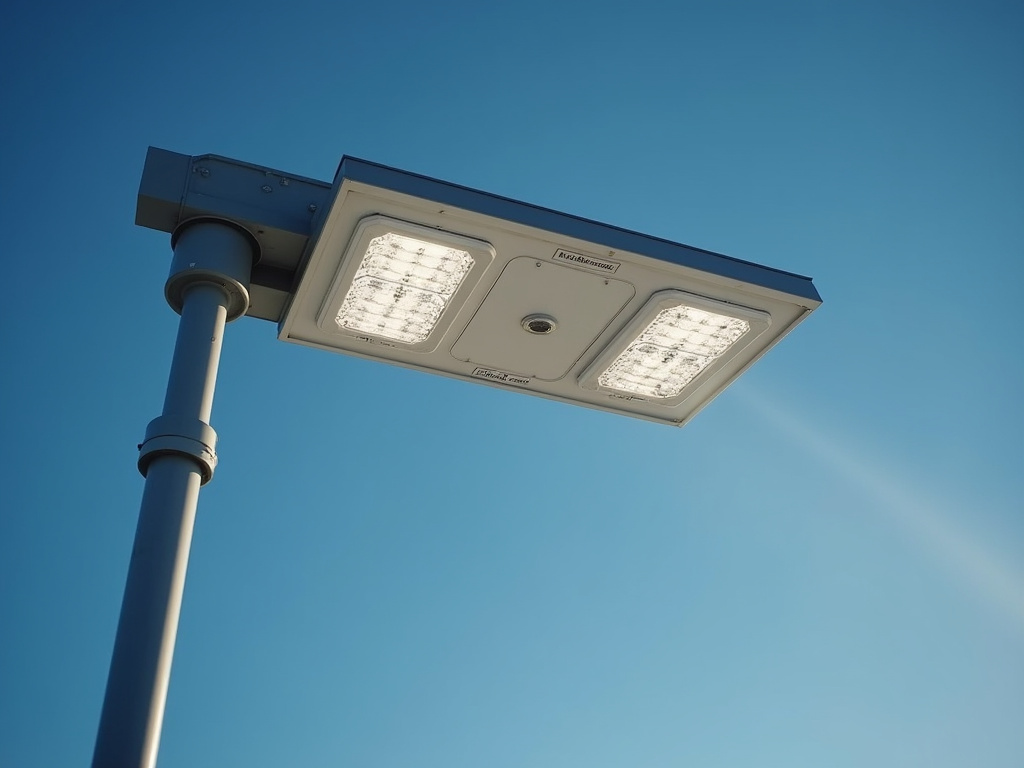
Implementing sustainable solutions for off-grid infrastructure lighting is a growing priority for communities aiming to reduce their environmental impact and achieve long-term energy independence. While initial costs can be significant, the benefits extend far beyond financial savings—they include reduced carbon footprints, enhanced resilience against grid failures, and improved access to light in remote areas. For instance, LED technology, now widely adopted, offers exceptional longevity and energy efficiency compared to traditional incandescent bulbs.
Choosing the right off-grid lighting system involves careful consideration of factors such as location, available renewable energy sources (solar, wind, hydro), desired lighting types (general illumination, task-specific), and local climate conditions. Before hiring an installation team, property owners should research and inquire about these aspects to ensure compatibility and optimal performance. Cost estimates for off-grid infrastructure lighting can vary widely, ranging from a few thousand dollars for small-scale residential projects to tens of thousands for large-scale commercial endeavors. According to recent industry reports, the average investment per lighting unit in remote communities is approximately $150-$300, with installation costs adding 20-40% to the total.
Installation timelines are another crucial consideration. Complex systems requiring extensive wiring and integration can take anywhere from 1-3 months, depending on site accessibility and project scope. Faster solutions, like solar-powered LED lights, may only require a few weeks for setup. Regular maintenance is essential to ensure these systems remain efficient and effective. Annual inspections, battery replacements (for non-grid-tied setups), and cleaning of panels are typical tasks. By planning thoughtfully and working with experienced professionals, communities can enjoy the benefits of sustainable off-grid infrastructure lighting for years to come.
Frequently Asked Questions About Off Grid Infrastructure Lighting
What is off-grid infrastructure lighting?
Off-grid infrastructure lighting refers to lighting systems that operate independently of a traditional power grid. These systems utilize renewable energy sources like solar, wind, or hydro power to provide electricity for lighting in remote locations or areas without access to the central electric network. It’s an eco-friendly and sustainable solution for illuminating public spaces, roads, buildings, and various infrastructure without contributing to carbon emissions from fossil fuels.
How does off-grid lighting work?
Off-grid lighting systems capture renewable energy through solar panels, wind turbines, or micro-hydro generators. The generated electricity is stored in batteries during the day (in the case of solar) or constantly fed into the system (for wind or hydro power). This stored energy then powers LED lights and other electrical devices when needed, ensuring illumination even without a connection to the main grid.
What are the benefits of using off-grid lighting for infrastructure?
Off-grid infrastructure lighting offers several advantages: it reduces reliance on fossil fuels, minimizes carbon footprint, provides reliable lighting in remote areas, enhances energy security and independence, and can be more cost-effective over time due to reduced electricity bills. Additionally, these systems are adaptable, allowing for easy expansion or reconfiguration as infrastructure needs change.
Are off-grid lights as bright as grid-tied lights?
Off-grid LED lights have advanced significantly in brightness and efficiency. Modern LED fixtures can output a high lumen count, providing ample illumination for various applications. While they may not always match the brightest industrial or commercial grid-tied lights, they are more than sufficient for most infrastructure lighting needs and offer significant energy savings.
How long do off-grid lighting systems last?
High-quality off-grid LED lights and associated components can last for 25 years or more with proper maintenance. Solar panels typically have a lifespan of 25-30 years, while batteries may need replacement after 5-10 years, depending on usage and quality. Regular cleaning, dust removal, and monitoring system performance are crucial to maximize the longevity of off-grid infrastructure lighting investments.
Can off-grid lighting systems be integrated with smart technology?
Absolutely! Many modern off-grid lighting solutions are designed for integration with smart home and building automation systems. Sensors, timers, and remote control apps can be added to adjust brightness, schedule lighting events, or respond to environmental conditions. This enables efficient energy management and enhances the overall functionality of infrastructure lighting systems.
Off-Grid Infrastructure Lighting offers a sustainable and resilient solution for illuminating remote or off-the-grid locations. By understanding the fundamentals, carefully considering design, and implementing robust, sustainable systems, we can achieve efficient and effective lighting while minimizing environmental impact. Key insights include prioritizing energy-efficient technologies, optimizing system design for minimal maintenance, and leveraging renewable energy sources. Moving forward, adopting these best practices will not only enhance accessibility and safety in off-grid areas but also contribute to a more sustainable future.