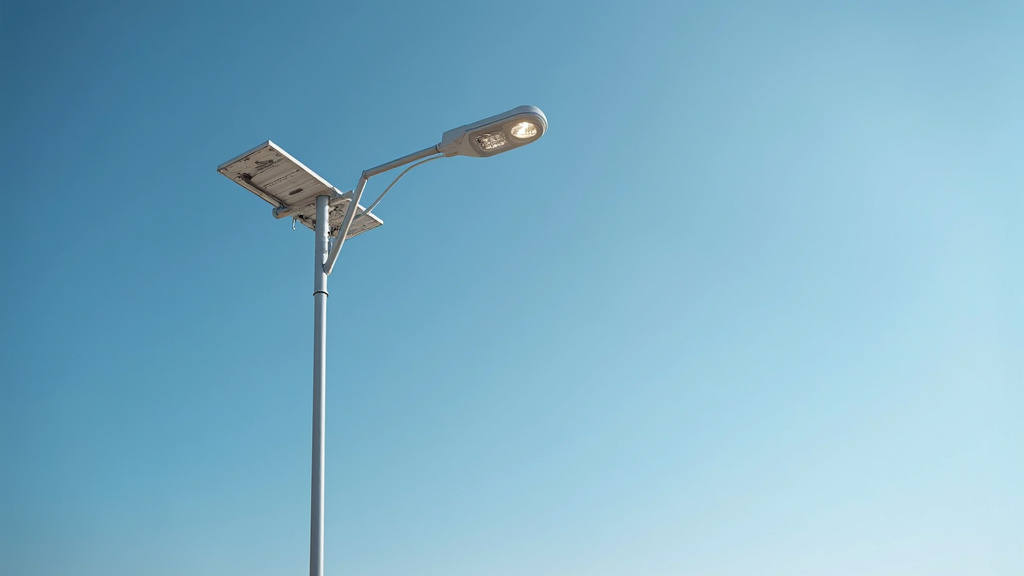
At a glanceOff-grid infrastructure lighting costs vary based on the size and complexity of the system, with prices ranging from $5 to $20 per watt installed. Factors include solar panel efficiency, battery storage capacity, and the number of lights. Systems can range from a few hundred to several thousand dollars, depending on these factors.
Key Takeaways
- The cost of Off Grid Infrastructure Lighting varies widely based on factors like location, system size, and technology choices, with prices ranging from $5 to $20 per watt.
- Solar panels and battery storage are significant components, adding 30-50% to the total cost, but also offer long-term energy savings.
- Remote and rural areas benefit most from Off Grid Lighting due to limited access to traditional electrical grids and higher energy costs.
- Initial installation costs can be offset by federal and local incentives, grants, and rebates, making it a more affordable option.
- Regular maintenance and monitoring are crucial for longevity and efficiency, with annual inspections recommended.
- Integrating smart controls and IoT devices enhances system performance, energy conservation, and remote management capabilities.
- Return on investment (ROI) typically takes 3-5 years, depending on energy consumption and pricing in the region.
In today’s world, the transition towards sustainable and independent energy solutions has gained significant momentum. Off Grid Infrastructure Lighting is at the forefront of this movement, offering a pathway to illuminate public spaces, infrastructure, and facilities without reliance on traditional power grids. However, navigating the costs associated with implementing such systems can be complex. This article delves into the multifaceted factors influencing the expense of Off Grid Infrastructure Lighting, providing an authoritative guide for those seeking to understand and optimize their investment in this burgeoning field.
Off Grid Infrastructure Lighting in : Where to Start
Looking for off grid infrastructure lighting in ? Solar Path USA serves the local area and can answer questions specific to .
Understanding Off Grid Infrastructure Lighting Costs
Understanding Off Grid Infrastructure Lighting Costs
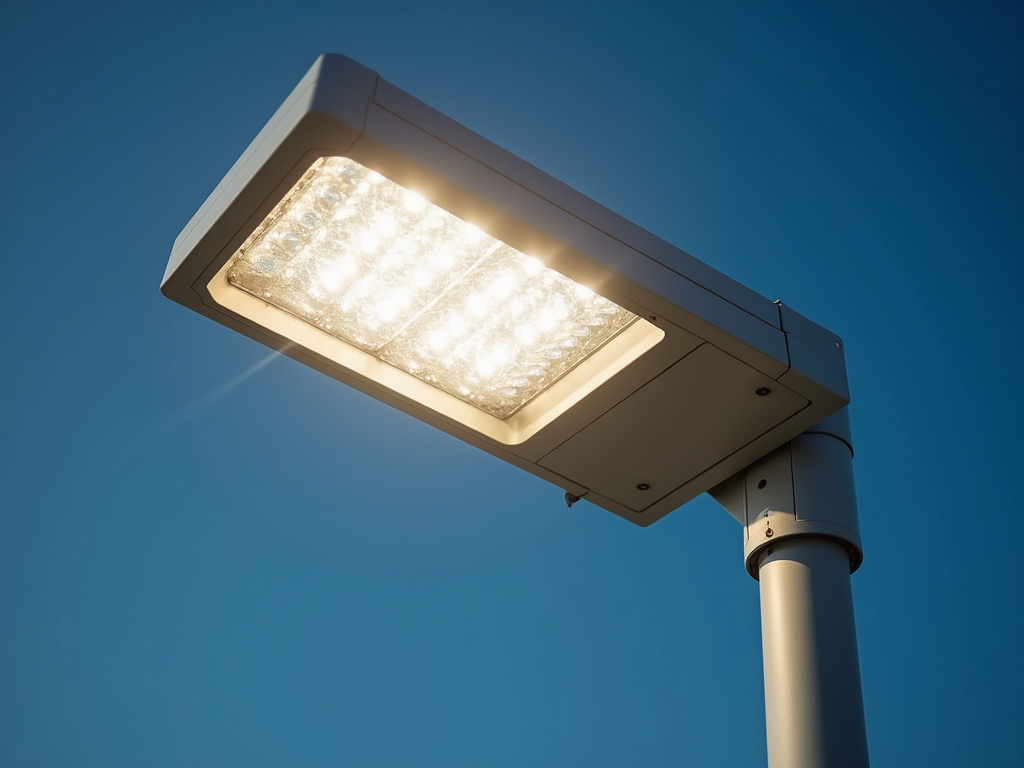
Off Grid Infrastructure Lighting is a significant investment for any project aiming to operate independently of traditional power grids. The cost can vary widely depending on factors such as location, scale, and specific technology chosen. For instance, remote off-grid locations will necessitate more expensive infrastructure than urban areas with easier access to resources. LED lighting systems, while generally more energy-efficient, can carry a higher upfront cost compared to conventional lighting options.
The Off Grid Infrastructure Lighting process involves careful planning and consideration of each component. This includes generating clean energy through methods like solar panels or wind turbines, storing that energy in batteries, and then using smart controllers to distribute power for lighting and other needs. The initial setup can be complex and expensive, with costs scaling with the size and complexity of the system. For example, a modest off-grid home might spend around $10,000 on infrastructure, while larger-scale projects like remote communities or industrial facilities could see prices ranging from hundreds of thousands to millions of dollars.
Choosing the right Off Grid Infrastructure Lighting provider is crucial for ensuring quality and longevity. Look for providers with experience in your specific region and technology needs. Reputable companies will offer transparent pricing structures, detailed proposals, and post-installation support. Compare multiple quotes, focusing not just on cost but also on system design, warranty, and after-sales service. For instance, a provider that offers remote monitoring services or rapid replacement parts can significantly enhance the reliability of your lighting system.
Once installed, regular maintenance is key to keeping Off Grid Infrastructure Lighting systems running optimally. This includes cleaning solar panels, inspecting batteries for signs of wear, and ensuring all components remain properly connected. While initial costs may be high, investing in quality equipment and professional providers pays dividends over time through reduced energy bills and lower maintenance expenses. Ultimately, choosing the right approach and partner can ensure your off-grid lighting system is both cost-effective and reliable for years to come.
Factoring in Installation, Equipment, and Maintenance
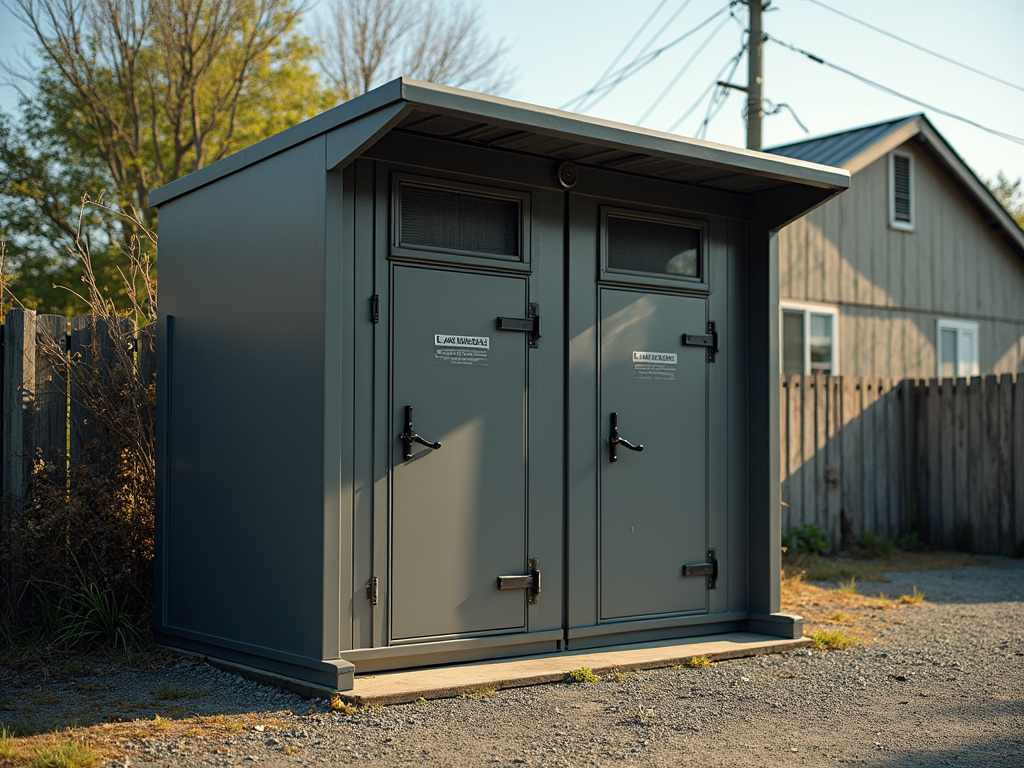
Off Grid Infrastructure Lighting involves a multifaceted process encompassing installation, equipment procurement, and ongoing maintenance — each element plays a crucial role in determining overall costs. Initially, installation expenses can vary widely depending on project size, complexity, and terrain accessibility. Remote or challenging locations may incur higher labor and material costs due to the logistical challenges involved. For instance, aerial work platforms or specialized vehicles might be necessary for hard-to-reach sites, significantly impacting the bottom line.
Equipment selection is a key consideration in Off Grid Infrastructure Lighting budgets. Solar panels, batteries, inverters, and lighting fixtures are primary components. The quality and efficiency of these elements directly influence energy generation, storage, and eventual lighting output. High-efficiency solar panels, for example, can capture more sunlight and convert it to electricity more effectively than lower-grade alternatives, potentially reducing the number of panels needed and lowering long-term operational costs. It’s important to balance upfront equipment investment with expected longevity and performance.
Maintenance is often overlooked but represents a significant ongoing expense. Regular cleaning, inspections, and component replacements are vital for optimal lighting system performance. Dusty environments or areas prone to harsh weather conditions may require more frequent maintenance interventions. Implementing monitoring systems can help predict potential issues and schedule proactive maintenance, minimizing unexpected downtime. Moreover, understanding warranty terms for each component is essential; extending coverage periods where possible can offer cost savings down the line by waiving labor and parts fees during covered periods.
Before engaging Off Grid Infrastructure Lighting services, several questions should be asked to ensure a comprehensive understanding of potential costs: What is the typical upfront investment range? How do maintenance contracts work, and what are their terms? Can you provide case studies or references from similar projects? By addressing these queries, property owners can make informed decisions, ensuring they receive value-driven solutions tailored to their unique needs.
| Factor | What to know |
|---|---|
| Cost per watt | $5 to $20 per watt installed |
| Solar & battery cost share | Adds 30-50% to total system cost |
| Return on investment | Typically takes 3-5 years |
| System scale examples | Home ~$10,000; large projects hundreds of thousands to millions |
| Maintenance needs | Annual inspections, cleaning panels, checking batteries |
| Installation variables | Cost depends on terrain, location, and site accessibility |
Exploring Alternatives to Reduce Lighting Expenses Off Grid

Reducing lighting expenses for off-grid infrastructure offers a unique set of considerations compared to traditional grid-connected systems. While initial installation costs can be significantly higher, implementing strategic alternatives can dramatically lower long-term operational costs. One of the most effective methods is embracing energy-efficient technologies and design principles. For instance, utilizing LED lights with motion sensors or timers can reduce power consumption by up to 75% compared to incandescent bulbs. This not only minimizes electricity bills but also extends the lifespan of lighting fixtures, reducing maintenance needs.
When considering off-grid infrastructure lighting, it’s crucial to assess your location and specific requirements. Solar-powered systems, for instance, are particularly beneficial in areas with high sunlight exposure during certain seasons. However, in regions experiencing prolonged cloudy periods or lower sunlight intensity, wind or hydroelectric power alternatives might be more viable options. An expert evaluation can help avoid common pitfalls like oversizing the system, which results in unnecessary costs and energy wastage. Proper sizing ensures that your off-grid lighting solution aligns with your energy needs, maximizing efficiency and cost savings.
Hiring specialized professionals for installation is a strategic move, especially when navigating complex systems. Skilled technicians can optimize your design, ensuring components are placed efficiently to maximize sunlight exposure or wind patterns. They can also provide guidance on maintaining a balanced system, where lighting demands meet available energy sources. Expect expert advice on choosing durable fixtures designed for outdoor, off-grid conditions, minimizing future replacement costs. What’s more, staying informed about technological advancements and incentives offered by local authorities for adopting renewable energy solutions can further reduce your investment.
Frequently Asked Questions About how much does Off Grid Infrastructure Lighting cost
What is off-grid infrastructure lighting?
Off-grid infrastructure lighting refers to lighting systems that are independent of traditional power grids. These systems utilize renewable energy sources like solar panels and wind turbines to power lights, typically in remote or rural areas where accessing the grid is impractical or expensive. Off-grid lighting is designed to be sustainable, reliable, and energy-efficient.
How does the cost of off-grid infrastructure lighting compare to conventional lighting?
While the initial installation cost of off-grid lighting systems can be higher than conventional lighting, long-term savings are significant. Off-grid systems eliminate electricity bills and, in many cases, the cost of fuel for generators. Additionally, renewable energy sources are generally more reliable and stable, reducing maintenance and repair expenses.
What are the key components of an off-grid lighting system?
An off-grid lighting system comprises several key components: solar panels to harness sunlight, a battery bank to store energy, a charge controller to regulate the flow of power, and lighting fixtures. In some cases, a small wind turbine or hydroelectric generator may also be included to supplement power generation, especially in areas with limited sunlight.
Can off-grid lighting systems be easily expanded or scaled?
Absolutely. One of the major advantages of off-grid lighting is its scalability. As your energy needs change, you can easily add more solar panels, batteries, or lighting fixtures. This modular design makes it adaptable to growing communities or businesses in remote locations.
What are the environmental benefits of off-grid infrastructure lighting?
Off-grid lighting is an environmentally friendly option because it reduces reliance on fossil fuels and minimizes carbon emissions. By utilizing renewable energy sources, these systems contribute to a cleaner, more sustainable future, making them a responsible choice for eco-conscious individuals and organizations.
How do I determine the best off-grid lighting solution for my needs?
The best way to determine the most suitable off-grid lighting solution is to consult with professionals who specialize in renewable energy. They can assess your location, energy requirements, and budget to recommend a custom-tailored system that meets your specific needs.
Off Grid Infrastructure Lighting costs vary based on installation complexity, equipment selection, and ongoing maintenance. By factoring in these key elements, property owners and developers can gain a clear understanding of the financial investment required. The article highlights the importance of considering long-term savings through alternative lighting solutions, such as solar-powered systems, which can significantly reduce Off Grid Infrastructure Lighting expenses. Practical next steps include conducting thorough site assessments, exploring technology advancements, and consulting with experts to optimize both initial setup and long-term operational costs for Off Grid Infrastructure Lighting systems.