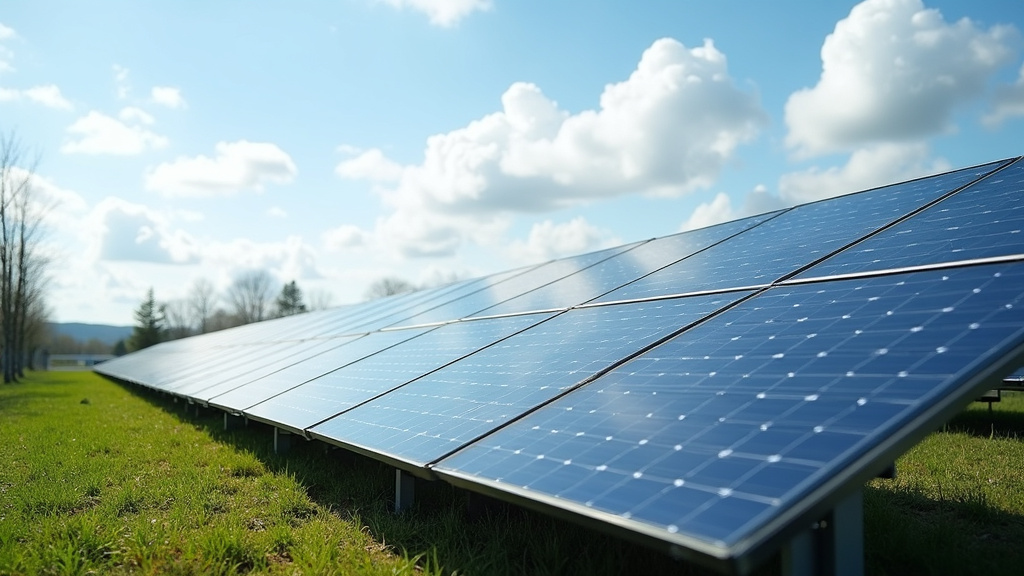
At a glanceBefore hiring Off Grid Infrastructure Lighting, ask about their experience with remote locations and renewable energy sources. Inquire about the types of lighting systems they install and maintain, and how they handle challenges like extreme weather or power fluctuations. Also, understand their warranty and after-sales support to ensure reliable lighting solutions.
Key Takeaways
- Consider energy sources and accessibility for off-grid lighting solutions to ensure longevity and minimize logistical challenges.
- Inquire about system adaptability to your specific environment, including temperature fluctuations and available space.
- Understand maintenance requirements and availability of replacement parts to guarantee long-term performance.
- Ask for examples of previous installations to assess the quality and reliability of their off-grid lighting systems.
- Evaluate warranty coverage and after-sales support to ensure peace of mind and prompt issue resolution.
- Discuss specific lighting design options tailored to your needs, from aesthetic preferences to safety requirements.
- Get detailed cost breakdowns including initial installation, ongoing maintenance, and potential fuel savings for transparent budgeting.
In today’s quest for sustainable living and resilience against power outages, Off Grid Infrastructure Lighting has emerged as a critical component for remote and off-grid locations. As more communities embrace self-sufficiency and independence from traditional energy grids, the need to install reliable lighting systems that aren’t reliant on external utilities is paramount. However, navigating this landscape presents challenges—from understanding local regulations to selecting suitable equipment and ensuring long-term reliability. This article serves as a comprehensive guide, providing essential questions to ask before hiring Off Grid Infrastructure Lighting solutions for your remote site, empowering informed decision-making for a successful implementation.
Off Grid Infrastructure Lighting in : Where to Start
Looking for off grid infrastructure lighting in ? Solar Path USA off-grid infrastructure lighting serves the local area and can answer questions specific to .
Understanding Off Grid Lighting Needs
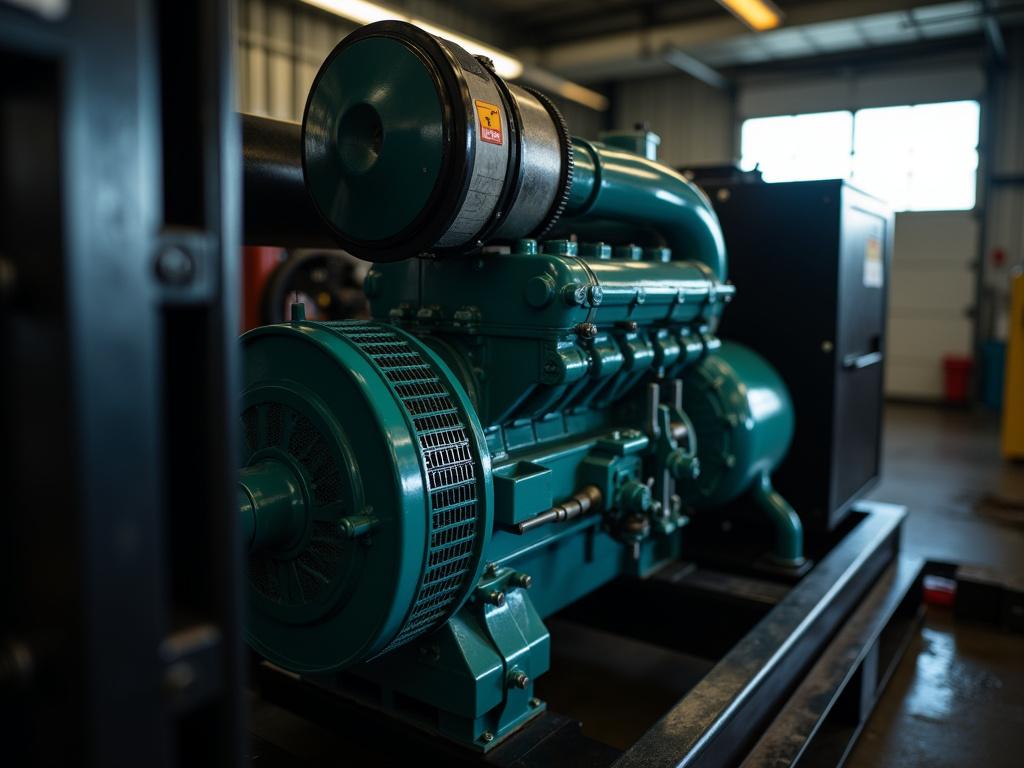
Understanding your off-grid lighting needs is a crucial step before hiring specialists for installation. Off Grid Infrastructure Lighting isn’t simply about hanging lights; it involves designing a system tailored to your location’s unique challenges and aesthetics. Firstly, assess your property’s existing infrastructure – do you have access to a reliable power source or are you entirely off-grid? This distinction significantly impacts the chosen lighting solutions. For instance, while solar-powered fixtures are ideal for remote areas, those with grid connectivity might opt for low-voltage DC systems offering greater flexibility and efficiency.
What are the alternatives to Off Grid Infrastructure Lighting? The market offers diverse options, from traditional incandescent bulbs to cutting-edge LED technologies. LEDs, known for their energy efficiency and longevity, are a popular choice in off-grid setups due to reduced power consumption and minimal maintenance. For instance, consider SunPower’s solar-charged LED lights, renowned for their durability and ability to provide consistent illumination even in challenging conditions.
Off Grid Infrastructure Lighting encompasses more than just the fixtures; it includes designing a system that integrates seamlessly with your surroundings. This involves considering factors like lighting distribution, color temperature, and automation. For instance, a well-planned system might employ dimmable lights to adjust ambiance according to time of day or occupancy sensors to ensure energy conservation. Moreover, understanding local regulations is vital; some areas have specific guidelines for off-grid installations to preserve natural landscapes and wildlife habitats.
Cost considerations are also paramount. How much does Off Grid Infrastructure Lighting cost? Prices vary widely depending on factors like system size, technology, and design complexity. On average, expect to invest 1-3 times more than traditional grid-tied lighting systems. However, this premium is offset by long-term savings through reduced energy bills and minimal maintenance requirements. For instance, a comprehensive off-grid lighting setup for a medium-sized residence could range from $50,000 to $100,000, but with proper design and future-proofing, it can last for decades, ensuring both functionality and aesthetic appeal for years to come.
Essential Questions for Expert Advice
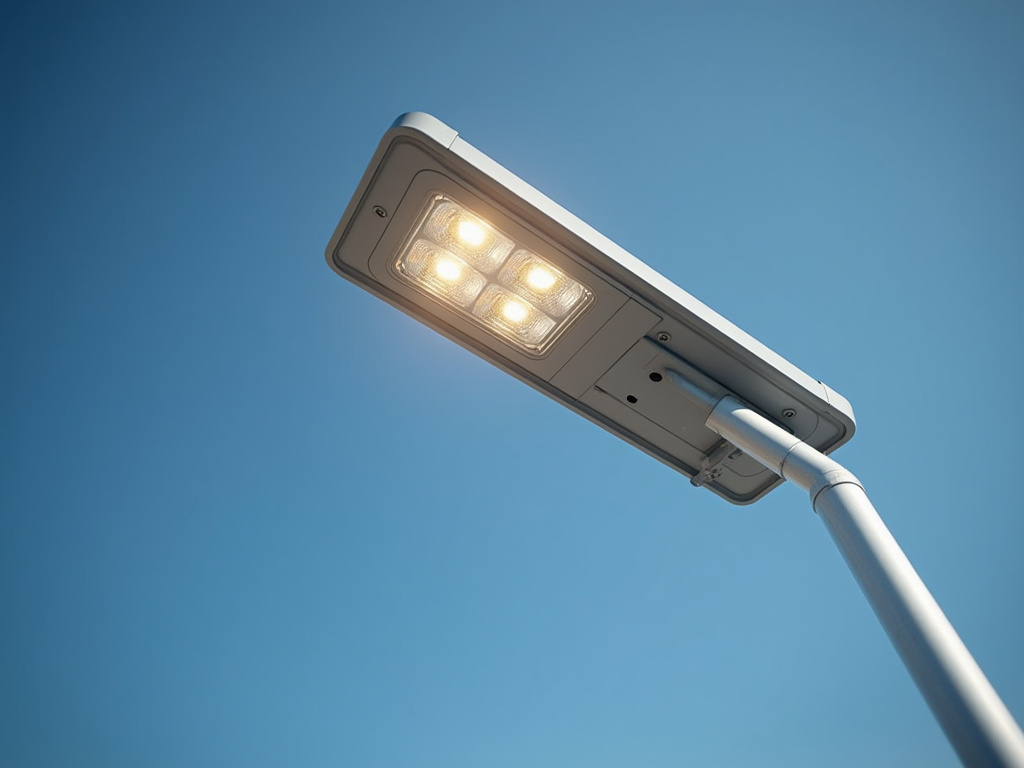
When considering Off Grid Infrastructure Lighting, it’s crucial to engage experts and ask the right questions. Signs you need this solution often emerge from a combination of factors: remote locations with inconsistent power grids, environmental sensitivities where traditional lighting isn’t feasible, or a desire to reduce carbon footprints. The Off Grid Infrastructure Lighting process involves careful planning and system design. You’ll need to assess your site’s unique energy needs, choose suitable lighting technologies (like solar panels, batteries, and LED fixtures), and ensure proper installation for safety and longevity.
Qualifying for Off Grid Infrastructure Lighting requires meeting specific criteria related to energy consumption, site accessibility, and environmental impact. For instance, many systems rely on solar energy, so a site with ample sunlight year-round is ideal. Expert advice is invaluable here, as they can assess your location and energy demands to tailor a system that aligns with your goals and budget. Don’t hesitate to ask: What does the installation process look like on a practical level? What maintenance is required? Understanding these aspects ensures a successful implementation and long-term satisfaction with your Off Grid Infrastructure Lighting solution.
| Factor | What to know |
|---|---|
| Energy source assessment | Determine if site is fully off-grid or has existing power access |
| Lighting technology choice | LEDs favored for efficiency; solar-charged LED options like SunPower cited |
| Cost range | Medium residence setup costs $50,000–$100,000, 1-3x grid-tied systems |
| Warranty & support | Check after-sales support and warranty for reliable long-term operation |
| Maintenance needs | Ask about upkeep requirements and availability of replacement parts |
| Local regulations | Some areas require guidelines to protect landscapes and wildlife habitats |
Hiring: Best Practices for Quality Off Grid Infrastructure Lighting
When considering Off Grid Infrastructure Lighting, the hiring process demands meticulous planning and due diligence. It’s not merely about selecting a contractor; it’s about ensuring your project aligns with your unique needs and the capabilities of the chosen provider. First, define your project scope. What does the Off Grid Infrastructure Lighting process involve? Does it encompass design, installation, and maintenance, or just one of these aspects? Clearly articulating your requirements upfront prevents misunderstandings and ensures a successful collaboration.
Next, research and vet potential vendors. Look beyond glossy portfolios and ask for client testimonials and case studies. Explore their experience with projects similar to yours, especially in your region, as local conditions can impact lighting performance. Consider the company’s reputation for reliability, communication, and safety practices. Reputable firms will have insurance and certified technicians, which is crucial for complex installations.
The cost and timeline are also critical considerations. Is Off Grid Infrastructure Lighting worth the investment? While upfront costs can be significant, the long-term savings through energy independence and reduced maintenance can make it a sound decision. Ask for detailed pricing breakdowns and understand the timeline for design, procurement, and installation. According to industry data, projects can range from several weeks to several months, depending on complexity. Don’t be afraid to get multiple quotes and compare apples to apples.
Lastly, clarify warranties and aftercare. How long does Off Grid Infrastructure Lighting take to install? While the physical installation might take 1-3 days for a typical project, system commissioning and testing can extend the timeline. Ensure the provider offers a comprehensive warranty covering both equipment and labor, and inquire about ongoing maintenance support. A dedicated aftercare service ensures your lighting system remains optimal over its lifespan.
Frequently Asked Questions About questions to ask Off Grid Infrastructure Lighting before hiring
What is considered an off-grid lighting system?
An off-grid lighting system operates independently of a traditional power grid, relying on alternative energy sources like solar, wind, or battery storage. This setup is ideal for remote locations or areas with unstable power supplies, providing reliable illumination without dependence on external electricity.
What are the benefits of hiring a specialized lighting company for off-grid installations?
Specialized lighting companies have expertise in designing and installing systems tailored to off-grid environments. They can offer advanced lighting solutions, energy-efficient fixtures, and custom setups to meet specific needs. Additionally, these professionals ensure safety, code compliance, and long-term system reliability, saving time and potential costs for clients.
How do I ensure the lighting system is suitable for my specific location and needs?
When hiring a company, discuss your location’s unique challenges and requirements. Consider factors like climate, accessibility, and desired lighting effects. Reputable firms will assess your site, providing tailored recommendations and designs. They should offer flexible options, ensuring the final system aligns with your vision and functional needs.
What maintenance is required for off-grid lighting systems?
Regular cleaning and inspection are vital for optimal performance. Most systems require minimal maintenance, but solar panels should be periodically cleaned and checked for damage. Battery-powered setups need periodic deep cycling and voltage monitoring. A good lighting company will provide maintenance guidelines and, if needed, scheduled services to keep the system functioning efficiently.
Can off-grid lighting be integrated with smart home technology?
Absolutely. Many modern off-grid lighting systems are compatible with smart home ecosystems. This integration allows for automated lighting controls, remote management, and energy-saving features. By integrating smart lighting, you can enhance convenience, security, and energy efficiency, creating a more advanced and responsive living or working environment.
How do I know if the company is reputable and reliable?
Check for licenses, permits, and insurance to ensure the company complies with local regulations. Review client testimonials and case studies to gauge their experience and satisfaction levels. Long-standing, established firms with a proven track record are usually reliable choices, offering quality work and after-sales support.
Off Grid Infrastructure Lighting is a complex yet essential component of sustainable living and remote area development. By understanding your specific lighting needs and following best practices when hiring, you can ensure robust, efficient, and reliable solutions. Key insights include thoroughly evaluating energy sources, considering maintenance requirements, and seeking expert advice to tailor systems to unique environments. Hiring reputable contractors with experience in Off Grid Infrastructure Lighting is paramount for quality outcomes. This article equips readers with the knowledge to navigate this landscape, fostering informed decisions that contribute to successful, sustainable lighting implementations.