
At a glanceOff-grid infrastructure lighting uses renewable energy sources like solar or wind power to illuminate areas without access to traditional electricity. These systems are designed to be sustainable, self-sufficient, and often include energy storage to ensure lighting even during periods of no sunlight or wind.
Key Takeaways
- Off-grid infrastructure lighting offers a sustainable and cost-effective solution for remote areas with limited or no access to traditional power grids.
- Solar-powered LED lights are highly efficient, long-lasting, and require minimal maintenance, making them ideal for off-grid applications.
- Integrating energy storage systems with off-grid lighting can ensure continuous illumination even during periods of low sunlight or at night.
- Community-based lighting initiatives powered by renewable energy can significantly improve safety, security, and economic opportunities in rural and isolated regions.
- Proper design and selection of off-grid lighting systems, including appropriate light distribution and control mechanisms, are crucial for maximizing energy efficiency and user satisfaction.
- Innovations in wireless technology and smart controls allow for remote monitoring and management of off-grid lighting systems, enhancing their reliability and longevity.
- Investing in off-grid infrastructure lighting can lead to significant long-term savings, reduced carbon emissions, and improved quality of life for communities lacking reliable electrical access.
As the world shifts towards sustainable energy solutions, Off Grid Infrastructure Lighting has emerged as a crucial aspect of modern infrastructure development. With a growing emphasis on reducing carbon footprints and enhancing energy independence, off-grid lighting systems offer a promising path forward. However, implementing these systems presents unique challenges, particularly in remote areas or during power outages where traditional grid connectivity is absent. This article delves into the intricacies of Off Grid Infrastructure Lighting, providing an in-depth exploration of cutting-edge technologies and strategies that enable reliable and efficient illumination without reliance on centralized grids.
Off Grid Infrastructure Lighting in : Where to Start
Looking for off grid infrastructure lighting in ? the team at Solar Path USA serves the local area and can answer questions specific to .
Understanding Off-Grid Infrastructure Lighting: Basics and Benefits

Off-Grid Infrastructure Lighting is a crucial consideration for remote or off-the-grid locations where traditional power networks are inaccessible or impractical. This technology offers a sustainable and reliable solution for illuminating public spaces, infrastructure, and developments that require a robust and independent lighting system. Understanding the basics and benefits of Off-Grid Infrastructure Lighting is essential for anyone looking to make informed decisions about their lighting needs, especially in rural areas, outdoor settings, or emergency response applications.
The core concept revolves around using renewable energy sources, such as solar panels or wind turbines, combined with energy storage systems, to power lighting fixtures. This decentralized approach eliminates the need for connecting to the main power grid, making it ideal for places with limited or no grid access. Solar-powered lighting, for instance, harnesses the sun’s energy during the day and stores it in batteries for use at night, ensuring a consistent and environmentally friendly lighting solution. This method is not only cost-effective but also contributes to reduced carbon footprints, making it an attractive option for environmentally conscious organizations and communities.
When considering Off-Grid Infrastructure Lighting, several factors come into play. First, assessing the site’s energy requirements and available renewable energy sources is key. Different lighting systems may be more suitable depending on whether solar, wind, or hydroelectric power is most viable. Secondly, choosing the right provider is paramount. Reputable Off-Grid Infrastructure Lighting providers offer tailored solutions, ensuring the system is designed for the specific needs of the location. They should provide comprehensive support, including site assessments, system design, installation, and maintenance. For instance, companies specializing in remote area lighting solutions often have extensive experience in off-grid applications, allowing them to offer advanced systems and ongoing support. Understanding these fundamentals and benefits can guide folks in making informed choices and navigating the options available in this dynamic field.
Choosing and Installing Lighting for Remote Sites
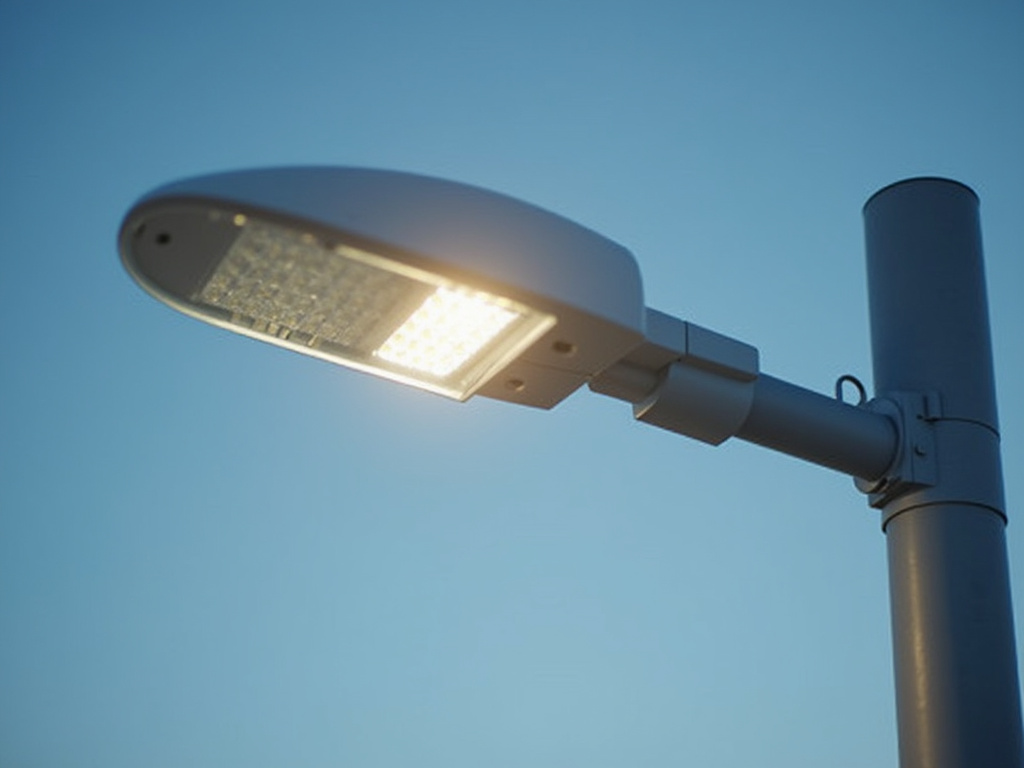
Choosing and installing lighting for remote sites is a critical aspect of off-grid infrastructure lighting. When planning for such installations, it’s essential to consider factors like energy source, environmental conditions, and functional requirements. Solar-powered LED lights are often the preferred choice due to their efficiency and low maintenance. For instance, in remote areas with ample sunlight, solar panels can power a range of LED fixtures, from rugged outdoor floodlights to decorative pathway lights.
The key to successful off-grid lighting lies in designing a system tailored to the site’s unique needs. This involves assessing the area for potential shadows, evaluating wind and weather exposure, and determining the desired light distribution and intensity. For example, a remote ranch might require bright, focused floodlights to illuminate livestock areas, while a scenic hiking trail could benefit from subtle uplighting to enhance the natural environment without disturbing wildlife.
What sets off-grid infrastructure lighting apart is its sustainability and independence from traditional power grids. It includes not just the lighting fixtures but also the necessary components for energy generation (like solar panels or wind turbines) and storage (batteries). Unlike conventional options, these systems can be designed to minimize environmental impact and provide reliable illumination even in the most remote locations.
While off-grid lighting offers numerous advantages, it’s important to consider alternatives based on specific needs. For instance, in areas with consistent access to grid electricity, a hybrid system combining solar energy storage with backup generator support might be more feasible. Alternatively, for temporary or seasonal use, portable solar-powered lighting solutions provide a flexible and cost-effective option. What are the alternatives to off-grid infrastructure lighting? It depends on factors like site accessibility, budget, and desired level of independence from centralized utilities.
| Factor | What to know |
|---|---|
| Energy source | Solar panels or wind turbines generate power without grid connection |
| Energy storage | Batteries store power to ensure lighting during low sunlight or night |
| Site assessment | Evaluate shadows, wind exposure, and weather conditions before installation |
| Light distribution design | Tailor fixture type and intensity to specific site needs |
| Provider selection | Choose experienced providers offering site assessment, design, and maintenance |
| Alternative options | Hybrid systems or portable solar lighting suit temporary or grid-adjacent needs |
Maximizing Efficiency and Sustainability in Off-Grid Lighting Systems
Off Grid Infrastructure Lighting offers a sustainable and efficient solution for areas with limited or no access to traditional power grids. What to expect from these systems is a robust and reliable lighting infrastructure that leverages renewable energy sources like solar panels and wind turbines. Unlike conventional lighting, Off Grid Infrastructure Lighting is designed to minimize environmental impact while maximizing operational longevity.
When considering whether Off Grid Infrastructure Lighting is worth the investment, several key benefits stand out. Firstly, it significantly reduces utility bills over time due to its reliance on renewable energy. Secondly, these systems enhance resilience and independence by providing continuous lighting during power outages or in remote locations with no grid connection. Moreover, many modern Off Grid Infrastructure Lighting solutions are smartly designed, allowing for precise control, dimming, and monitoring, thereby further increasing efficiency and user experience.
Off Grid Infrastructure Lighting encompasses a range of components including solar panels, charge controllers, batteries, inverters (for AC power), and lighting fixtures. The inclusion of advanced technology like motion sensors and automated scheduling optimizes energy use by ensuring lights only operate when needed. For example, LED fixtures with integrated sensors can reduce energy consumption by up to 50% compared to traditional incandescent bulbs. Data from the U.S. Department of Energy suggests that widespread adoption of solar-powered lighting could save billions in energy costs annually while reducing greenhouse gas emissions.
Implementing Off Grid Infrastructure Lighting requires careful planning and consideration. Conduct a thorough assessment of your location’s solar exposure, wind patterns (for wind turbines), and energy demands. Collaborate with experts to design a tailored system that meets your specific needs. Regular maintenance, including cleaning panels and checking battery health, is crucial for maintaining efficiency and longevity. By embracing Off Grid Infrastructure Lighting, individuals and communities can contribute to global sustainability goals while enjoying reliable and cost-effective lighting solutions.
Frequently Asked Questions About Off Grid Infrastructure Lighting
What is off-grid infrastructure lighting?
Off-grid infrastructure lighting refers to lighting systems designed to operate independently of traditional power grids. These systems utilize renewable energy sources like solar panels and wind turbines to generate electricity, storing it in batteries for use during periods without sunlight or wind. It’s a sustainable and reliable solution for remote or off-the-grid locations, offering a stand-alone lighting alternative to conventional power lines.
How does off-grid lighting benefit remote communities?
Off-grid lighting brings numerous advantages to remote communities. It provides access to electricity for lighting, which can enhance safety, improve education, and facilitate economic activities after dark. By eliminating reliance on expensive and polluting diesel generators, it promotes sustainability and reduces operating costs. Additionally, these systems can be easily scaled and deployed, offering a cost-effective solution for communities seeking energy independence.
What types of off-grid lighting technologies are available?
Several off-grid lighting technologies are available, each suited to different needs and environments. Solar-powered LED lights are popular for their energy efficiency and long lifespan. Solar-charged fluorescent lamps offer brighter lighting for community centers and schools. Wind-charged lighting systems harness wind energy to power LED lights, ideal for areas with consistent wind. Hybrid systems combining solar and wind energy provide backup and increased reliability, catering to diverse climate conditions.
Can off-grid lighting systems be integrated with other renewable energy sources?
Absolutely. Off-grid lighting can be seamlessly integrated with other renewable energy technologies, such as hydropower, biogas, or even waste-to-energy systems. This diversification enhances the overall energy security and sustainability of the infrastructure. For instance, combining solar panels with a small hydro-electric generator can provide a more consistent power supply, ensuring reliable lighting even during periods of varying weather conditions.
How do I choose the right off-grid lighting system for my location?
Selecting the optimal system depends on several factors, including the site’s average daily sunlight hours, wind patterns, and the specific lighting requirements. It’s essential to assess the energy needs, budget, and local climate. Consulting with professionals who specialize in off-grid solutions can help determine the most efficient and cost-effective system. They can guide you in designing a tailored lighting solution that meets your community’s unique challenges and goals.
Off-Grid Infrastructure Lighting offers a sustainable and efficient solution for remote locations, empowering communities to thrive without reliance on traditional energy grids. By understanding the basics and benefits, choosing the right lighting fixtures, and prioritizing energy efficiency, organizations and individuals can harness the power of renewable energy sources. Key takeaways include selecting durable, low-maintenance lighting designed for harsh environments, integrating energy storage solutions for consistent power, and leveraging smart controls to optimize light output and reduce waste. This article equips readers with the knowledge and confidence to navigate the landscape of Off-Grid Infrastructure Lighting, paving the way for accessible, sustainable lighting solutions worldwide.